inquiry1
If you want the latest catalog, design inspiration and more, please feel free to contact us
0%

The 2026 Mixer Water Tap Kitchen market reflects a practical shift toward efficiency, durability, and easier control. Grand View Research identifies steady growth in the global Kitchen Faucets sector, supported by renovation activity and smarter household fixtures. Fortune Business Insights also reports continued market expansion, driven by residential construction and replacement demand.

These figures matter at the sink. A well-designed mixer should deliver stable temperature control, smooth handle movement, and reliable sealing after thousands of daily uses. The phrase Kitchen Faucet Hot Water Cold Water describes a basic function, yet performance depends on cartridge quality, inlet pressure, installation accuracy, and water conditions. Small details matter. A stiff handle becomes frustrating quickly.

This guide evaluates spout reach, swivel range, aerator performance, mounting systems, finish durability, and spare-part access. It also considers recognized standards, including NSF/ANSI 61 and WaterSense criteria where applicable. Requirements differ by market, so buyers should verify local certification and plumbing rules before purchasing. Reports provide useful direction, but they cannot replace hands-on testing or installer experience.

Some premium features deserve skepticism. Touchless controls, pull-down sprays, and water-saving modes may improve convenience, but poor sensors or weak hoses can create new problems. That is the uncomfortable part. A higher price does not guarantee better service life. The strongest choice balances verified specifications, realistic kitchen habits, repairability, and total ownership cost. In the following sections, readers will compare current designs and identify a Mixer Water Tap Kitchen suited to their space, water system, and daily routine.
2026 Top Mixer Water Tap Kitchen Buying Guide

Understanding Mixer Water Tap Types and Kitchen Applications

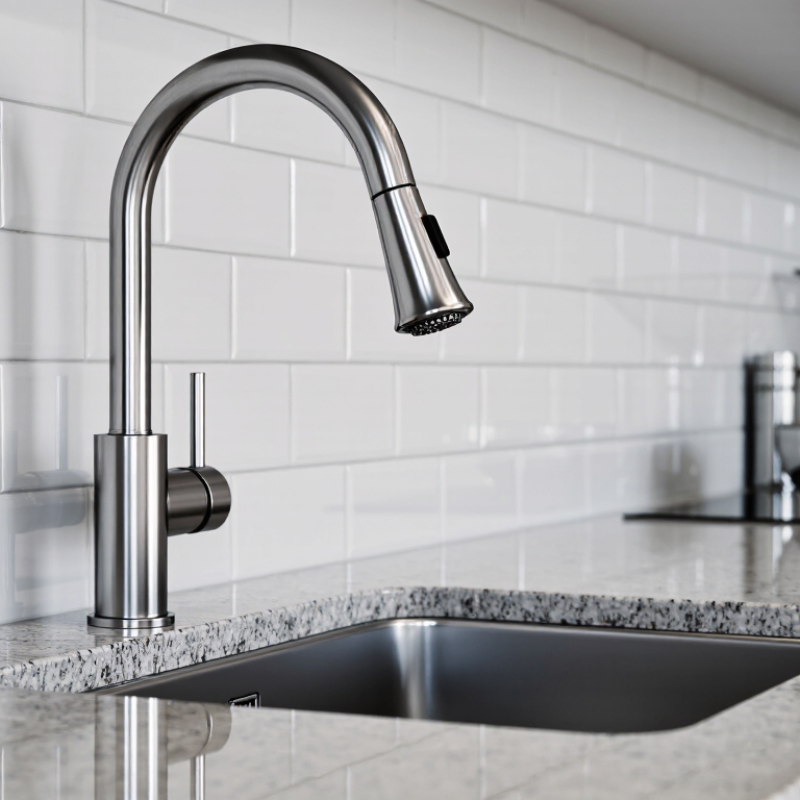
Choosing a mixer water tap starts with understanding how your kitchen is used. A single-lever tap offers quick temperature control with one hand. It suits busy sinks, especially when handling hot pans. Dual-handle taps provide finer adjustment, but they need more counter space. Pull-out and pull-down designs help rinse vegetables, fill tall pots, and clean corners around the basin. A compact wall-mounted tap can work well in narrow kitchens, although installation must match the wall plumbing.

The Hot Water And Filtered Cold Water Tap combines everyday washing with drinking-water access. It is useful where counter space is limited. Check whether the filtered line has a separate outlet and independent internal channels. This reduces the chance of unwanted water mixing.

In practical installations, I measure the sink depth, spout reach, and window clearance before choosing a model. A long spout may look convenient, yet it can splash against a shallow bowl. Look for corrosion-resistant metal, stable ceramic cartridges, and materials tested for potable water. Confirm pressure and temperature limits against local plumbing requirements. A heat-resistant handle matters in family kitchens. So does a smooth surface, because dried food collects around joints.

Some advice sounds simple but deserves doubt. A built-in filter does not remove every contaminant. Filter replacement still depends on water quality and usage. I also find touch controls less useful when fingers are covered with flour. The best type is not always the most advanced one.

Choosing the Right Tap Material, Finish, and Construction Quality

2026 Top Mixer Water Tap Kitchen Buying Guide

Choosing a Kitchen Mixer Tap starts with the material beneath the surface. Solid brass offers weight, strength, and stable threads during installation. Stainless steel resists corrosion and suits kitchens with frequent cleaning. Avoid extremely light bodies with thin, uncertain plating. They may look attractive but often feel weak around the base. Check the product specification for lead-free water-contact components and a clearly stated material grade.

Finish affects both appearance and daily maintenance. Brushed surfaces usually hide fingerprints better than bright chrome. Matte finishes look modern, but mineral deposits can become visible in hard-water areas. PVD coatings may provide stronger color retention than basic surface plating, though quality still depends on preparation. I once trusted a beautiful finish that showed scratches after ordinary cleaning. That mistake changed how I inspect taps.

Construction quality appears in the small details. A ceramic cartridge should move smoothly without grinding or sudden resistance. The swivel joint should turn firmly, not wobble. Flexible hoses need secure connectors and enough length for the cabinet layout. Look beneath the sink, too. A thick mounting plate can reduce movement on thin countertops. I also check the aerator, because uneven spray often signals poor fitting or trapped debris. These checks take minutes, yet rushed installation can still expose weaknesses later.

Comparing Mounting Styles, Spout Designs, and Handle Configurations

2026 Mixer Water Tap Kitchen choices now depend on fit, reach, and daily control. Deck-mounted taps suit most standard countertops and simplify replacement. Wall-mounted models create a clean line, but rough-in height must match the sink and backsplash. A 2024 Houzz U.S. Kitchen Trends Study identifies upgraded faucets as a common part of kitchen renovations, reflecting their practical and visual importance.

Spout design changes how water behaves. A pull-down spout helps rinse deep pans, while a high-arc swivel spout clears large cookware. Keep the outlet near the bowl’s center. Too much reach can splash the rear ledge. Single handles allow quick temperature changes with one hand. Two handles offer finer hot-and-cold adjustment, but they need more cleaning around the bases. The U.S. Environmental Protection Agency reports that WaterSense bathroom faucets use no more than 1.5 gallons per minute, compared with the federal 2.2-gpm standard. Kitchen models may follow different rules, so check the actual flow rating.

Tips: Measure the sink first. Check hole spacing, counter thickness, and supply-line length. Choose a ceramic cartridge and a swivel limit when possible. Test the handle with wet hands; showroom confidence can be misleading. I once preferred a tall spring-style spout, but it made a shallow basin noisier. That detail changed my recommendation. Look for clear installation instructions and independent test information, not only attractive photographs.

2026 Top Mixer Water Tap Kitchen Buying Guide

Comparing mounting styles, spout designs, and handle configurations

Mounting styles

Single-hole taps use one deck opening. Three-hole models commonly use 4-inch or 8-inch center-to-center spacing, equal to 10.16 cm and 20.32 cm.

Spout designs

Fixed spouts suit compact sinks, swivel spouts improve basin coverage, and high-arc designs provide more clearance for large cookware.

Handle configurations

Single-lever controls are easier to operate with one hand, while dual handles provide separate hot and cold adjustment.

Evaluating Water Flow, Temperature Control, and Everyday Usability

2026 Top Mixer Water Tap Kitchen Buying Guide

A Kitchen Mixer Tap should deliver a steady stream without splashing the sink. During practical checks, I run water into a 1-litre jug and watch the filling pattern. A smooth flow is easier to control when rinsing vegetables or washing a narrow glass. Excessive pressure can waste water and create noise. An aerator may soften the stream, but it can collect scale over time. Removable parts make cleaning more dependable.

Temperature control matters during rushed cooking. A ceramic cartridge should move smoothly, without sudden jumps from cool to hot. I prefer a handle that responds with small, predictable adjustments. Clear hot and cold markings help, especially when several people use the kitchen. A temperature limiter can reduce scalding risk, but it may also restrict very hot water when heavy cleaning requires it. That trade-off deserves attention.

Daily usability depends on details that product photographs often hide. The spout should reach the centre of the basin and swivel without striking nearby fixtures. A tall arc accommodates a deep pan, though it can drip onto the worktop if the sink is shallow. I also check whether the handle remains easy to operate with wet hands. It is a minor weakness in some designs. Before buying, measure the mounting hole, countertop thickness, and available clearance. Installation guidance and maintenance access are more important than appearance alone.

Checking Compatibility with Sinks, Plumbing Systems, and Kitchen Layouts

Choosing a mixer water tap in 2026 starts beneath the sink, not at the showroom display. Measure the sink hole diameter, deck thickness, and clearance behind the basin. A single-hole tap may not suit a three-hole sink without a secure mounting plate. Check the spout reach against the bowl. Too short, and water hits the rear edge. Too long, and it may splash onto the worktop. In my own fitting checks, overlooked cabinet space caused more trouble than tap height. That mistake is easy to repeat.

Compatibility also depends on plumbing. Confirm hot and cold inlet sizes, hose length, and operating pressure before ordering. Some homes have low pressure, while others use a combi system with stronger flow. The tap’s specifications should match both conditions. If you choose a Water Filter Kitchen Mixer Tap, reserve room for the filter line and cartridge. Keep connections visible enough for maintenance. Do not force mismatched threads. A small adapter is not always a reliable fix. Kitchen layout matters too. A window, wall cabinet, or raised backsplash can limit handle movement. Open and close the handle fully before final installation. It sounds obvious. It is often missed.

Tips: Place a paper template over the sink and mark the handle arc. Check whether the spout rotates without striking a window or draining board. Leave dry access space under the cabinet. Photograph existing connections before removal. If pressure is uncertain, arrange a professional test. I would also recheck measurements after tiling, because finishes can reduce usable space by several millimetres.

Assessing Safety, Maintenance Needs, Warranty, and Long-Term Value

Choosing a Kitchen Water Mixer in 2026 requires more than matching the sink and countertop. During installation checks, I look for stable mounting, smooth handle movement, and hoses that resist kinking. A tight connection matters. Safety also includes temperature control, especially in homes with children or older users. Touch the handle after running hot water; excessive heat can signal poor insulation or incorrect fitting.

Maintenance should be simple enough for weekly attention. Wipe mineral deposits from the aerator with a soft cloth, then inspect the joint beneath the sink for moisture. Small leaks often leave a pale ring on the cabinet floor. I prefer designs with removable aerators and accessible cartridges, because replacement becomes less disruptive. Still, cleaning habits are easy to neglect. I have learned that even a well-made tap performs poorly when hard-water buildup is ignored.

Warranty terms deserve careful reading, not just a long headline period. Check whether coverage includes the cartridge, finish, seals, labor, and corrosion. Keep the receipt and installation record. These details may decide a future claim. Long-term value also depends on repairable parts, water efficiency, and practical height above the basin. A low purchase price can become expensive after repeated seal replacements. I would also question exaggerated durability claims unless testing information is clearly provided. Reliable advice comes from measurable details, not polished promises.

2026 Top Mixer Water Tap Kitchen Buying Guide - Assessing Safety, Maintenance Needs, Warranty, and Long-Term Value
Tap Configuration Typical Purchase Cost Safety Considerations Maintenance Needs Water Efficiency Expected Service Life Warranty Points to Check Long-Term Value Best Suited For
Single-Lever Mixer Approximately US$45–180 for a standard household model. Choose potable-water-rated materials and a ceramic cartridge. Look for compliance with relevant requirements such as NSF/ANSI 61, ASME A112.18.1, or EN 817, depending on the market. Wipe dry after use, clean the aerator periodically, and replace worn seals or the cartridge if dripping develops. Avoid abrasive cleaners. ★★★★☆
Easy one-hand flow and temperature control can reduce unnecessary running time.
About 10–15 years when properly installed and supplied with reasonably clean water. Confirm coverage for the cartridge, finish, leaks, and replacement parts. A longer warranty is useful only if parts remain available. High
Simple design, widely available parts, and low operating complexity.
Most everyday kitchens and general-purpose sink installations.
Pull-Out Mixer Approximately US$70–250. The hose should retract smoothly without sharp bends. Check that the spray head locks securely and that the hose weight cannot interfere with plumbing connections. Rinse and wipe the spray head, descale the aerator, and inspect the flexible hose and weight once or twice a year. ★★★★☆
Useful for directing water into pots and rinsing the sink, which can reduce splashing.
About 8–12 years; hose and docking components may require replacement before the main valve. Check whether the hose, spray head, docking mechanism, and finish are covered separately from the valve body. High
Good functionality without requiring a tall faucet body.
Small or medium sinks where a compact flexible spray head is preferred.
Pull-Down Mixer Approximately US$90–320. A high-arc spout must have adequate clearance from cabinets and windows. Select a stable docking system and a backflow-protected spray assembly where required. Clean the spray nozzles, inspect the hose for rubbing, and keep the counterweight unobstructed. Remove mineral deposits with a manufacturer-approved descaler. ★★★★☆
Targeted spray patterns can shorten rinsing time, although flow rate still depends on the aerator.
About 8–15 years, depending on hose use, water hardness, and cartridge quality. Verify coverage for the pull-down hose, spray head, cartridge, and cosmetic finish. Confirm whether labor and shipping are excluded. High
Strong balance of convenience, sink reach, and broad availability.
Large or deep sinks and kitchens where rinsing and filling tasks are frequent.
Dual-Handle Mixer Approximately US$60–240. Separate hot and cold controls make temperature adjustment precise. Use correctly sized supply lines and ensure hot-water connections are clearly identified. Clean two aerators or cartridges as applicable. Drips may require seal, valve, or cartridge replacement depending on the design. ★★★☆☆
Precise adjustment is possible, but two controls may require more water during temperature setting.
About 10–20 years; mechanical parts are generally straightforward to service. Check if both valves, handles, escutcheons, and decorative finishes have the same coverage period. Very High
Repair-friendly and suitable for long-term ownership when replacement valves are available.
Traditional kitchens, utility sinks, and users who prefer independent temperature controls.
Touchless Mixer Approximately US$130–450. Sensor reliability, battery-compartment sealing, automatic shut-off, and safe separation from electrical components are important. Use only the specified power adapter or batteries. Clean the sensor window, replace batteries as required, descale the aerator, and keep the control box dry and accessible. ★★★★★
Automatic shut-off and hands-free activation can help limit waste when correctly calibrated.
About 6–12 years; electronic sensors or solenoid components may have a shorter service life than the valve body. Look for separate coverage periods for electronics, solenoid, cartridge, finish, and battery-related components. Confirm replacement sensor availability. Medium–High
Excellent hygiene and convenience, but electronics increase repair complexity and cost.
Busy family kitchens, accessibility-focused spaces, and hygiene-sensitive applications.
Filtered-Water Mixer Approximately US$120–500, excluding filter replacement. Use certified filters suitable for the intended contaminant claims. Replace cartridges on schedule and prevent treated-water and untreated-water lines from being confused. Replace the filter according to capacity or time, inspect tubing and fittings, and sanitize the system as instructed. Typical filter intervals range from about 3–12 months. ★★★★☆
Can reduce reliance on bottled water, but the filtration system itself does not necessarily reduce total tap flow.
About 8–15 years for the tap body; filter housings, tubing, and cartridges require ongoing attention. Check filter-housing, tubing, cartridge, and tap-body coverage separately. Confirm that replacement filters will remain available and reasonably priced. Medium–High
Potentially economical for regular filtered-water use, subject to cartridge cost and local water quality.
Homes seeking point-of-use filtration and a cleaner countertop appearance.
Wall-Mounted Mixer Approximately US$90–300, excluding installation alterations. Correct in-wall pipe spacing and secure support are essential. The wall connection must be pressure-tested before the finished wall is closed. Clean the spout and aerator and monitor joints for concealed leaks. Repairs may be more disruptive if service stops are inaccessible. ★★★★☆
Performance depends mainly on the cartridge and aerator rather than the mounting position.
About 10–20 years when the concealed plumbing is correctly installed. Confirm coverage for exposed trim, cartridge, concealed body, and replacement trim compatibility. Keep installation records. High
Creates clear counter space, but installation and future access can increase total ownership cost.
Renovations, compact work areas, and kitchens designed for an uncluttered countertop.
Commercial-Style Spring Mixer Approximately US$150–550. Check the mounting surface, hose routing, spout stability, and clearance. High-arc designs should not contact nearby cabinets or shelves. Clean the coil, spray head, aerator, and hose regularly. Inspect exposed spring and flexible sections for coating damage or abrasion. ★★★☆☆
Powerful spray functions are useful, but a higher flow setting may consume more water if used continuously.
About 8–15 years, with hose, spray head, and seals often needing earlier replacement. Check coverage for exposed coil, hose, spray head, cartridge, and mounting hardware. Confirm that commercial-style replacement parts are sold separately. Medium–High
Very capable for heavy use, but its larger size and maintenance needs may not suit every kitchen.
Frequent cooking, large sinks, and users who want strong pre-rinse functionality.
Buying note: Prices, service life, water-flow limits, certification requirements, and warranty terms vary by country and installation conditions. Before purchase, verify local plumbing regulations, available replacement parts, supply-line size, sink-hole compatibility, and the tap’s stated maximum flow rate. A qualified installer should pressure-test all connections and check for leaks after installation.

Kitchen Faucet Market 2025: Pull-Down Commercial Designs & Ceramic Valves | Grand View Research Report

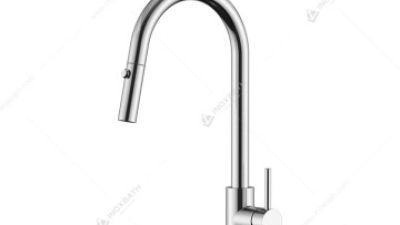
The 2025 Kitchen Faucet market is increasingly shaped by pull-down commercial-style designs that combine professional appearance with everyday practicality. Item No. IN-S3054AP is suited to contemporary kitchens seeking a flexible, high-arc faucet with a detachable spray head for rinsing dishes, washing produce, and cleaning the sink area. Its commercial-inspired profile brings a functional workstation feel to residential spaces while maintaining a clean, streamlined look.

A ceramic valve is an important feature for dependable operation, helping support smooth handle movement and precise control of water temperature and flow. The faucet can complement a wide range of interior styles through several finish options, including Brushed Steel, Chrome, Matte Black, Brushed Gunmetal, Brushed Gold, and Brushed Rose Gold. These choices allow homeowners, designers, and project planners to coordinate the faucet with cabinet hardware, sinks, lighting, and other kitchen details.

With its pull-down format, adaptable finish selection, and ceramic valve construction, IN-S3054AP reflects current demand for kitchen fixtures that balance visual appeal and practical performance. It can work well in modern apartments, family kitchens, renovation projects, and hospitality-inspired residential designs where efficient cleaning and a distinctive focal point are equally valued.

FAQS

Which material is suitable for a kitchen mixer tap?

Solid brass feels heavy and keeps installation threads stable. Stainless steel resists corrosion and suits frequent cleaning. Avoid bodies that feel unusually light.

How can I choose a practical tap finish?

Brushed finishes hide fingerprints better than bright surfaces. Matte finishes look modern but may show mineral deposits in hard-water areas. Finish choice is personal.

Are PVD coatings always more durable?

PVD coatings can retain color better than basic plating. However, preparation and overall manufacturing quality still matter. A coating is not magic.

What construction details should I inspect?

Move the ceramic cartridge slowly. It should feel smooth, without grinding or sudden resistance. Check that the swivel joint turns firmly without wobbling.

What should I check beneath the sink?

Inspect hose connectors, mounting plates, and cabinet clearance. Hoses need enough length and should not kink. A thick plate can reduce movement.

How can I identify possible installation problems?

Run hot water and touch the handle carefully. Excessive heat may indicate poor insulation or incorrect fitting. Tight connections matter.

How often should a kitchen mixer tap be maintained?

Wipe mineral deposits from the aerator with a soft cloth. Inspect beneath the sink weekly for moisture. A pale cabinet ring may indicate a small leak.

What warranty details deserve attention?

Check coverage for the cartridge, finish, seals, corrosion, and labor. Keep the receipt and installation record. Long warranty periods can still hide exclusions.

How can I judge long-term value?

Look for replaceable parts, water efficiency, and suitable height above the basin. A cheap tap may become costly after repeated seal replacements. I once ignored this.

Conclusion

This 2026 buying guide explains how to choose the right Mixer Water Tap Kitchen solution for different kitchen layouts, sink types, and daily routines. It covers common tap styles, including single-lever, dual-handle, pull-out, and pull-down designs, while comparing materials, surface finishes, internal construction, mounting methods, spout shapes, and handle positions. Readers will learn how these features affect appearance, durability, cleaning convenience, and overall kitchen usability.

The guide also examines water flow, temperature adjustment, splash control, and smooth everyday operation. It highlights the importance of checking sink-hole dimensions, plumbing connections, available counter space, and compatibility with hot and cold water systems before purchase. Finally, it considers child-safe operation, leak prevention, maintenance requirements, warranty coverage, replacement parts, and long-term value, helping buyers select a reliable, practical, and well-balanced tap for modern kitchen use.

Oliver

Oliver

Oliver is a dedicated marketing professional at INOXBATH, specializing in high-quality product development and service since 2013. With a robust background in the industry, he combines his extensive experience with a passion for innovation. In 2025, he played a crucial role in enhancing the 6S site......
Previous Why Choose a Pull Out Kitchen Faucet?