
inquiry1
If you want the latest catalog, design inspiration and more, please feel free to contact us
0%

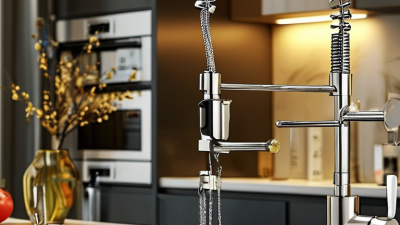
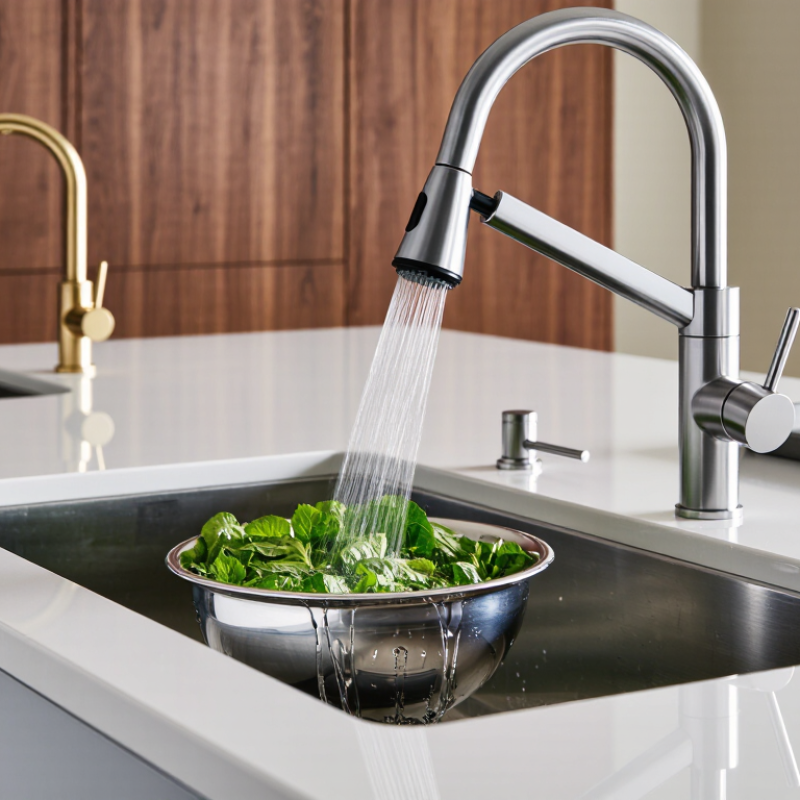
Okay, so a pull-out faucet basically brings the spray head right to where you're working, which makes everyday kitchen stuff feel a lot more controlled. Rinsing leafy greens? Way easier when the water can reach every corner of a deep bowl. Same with cleaning a baking tray—you don't have to lift and twist as much. That simple movement is a big reason so many homeowners go with a Kitchen Faucet Pull Out design, especially in busy kitchens.

But the right faucet is about more than looks. A good installer will check the sink opening, counter thickness, water connections, and hose clearance before putting anything in. Those little details affect stability, reach, and how it holds up over time. A weighted hose should glide back smoothly, without snagging under the cabinet. Small detail. Big difference.

Finish matters too. Brushed surfaces can hide light water marks, while polished finishes give a brighter, shinier look. A Kitchen Sink Gold Tap Pull Out Kitchen Mixer Tap might work nicely with warm cabinetry, but gold coatings need gentle cleaning. Harsh pads can mess up the surface. That's an easy one to overlook.

Good manufacturers usually give clear specs, installation guidance, and warranty info. Still, product descriptions aren't always perfect. So check them carefully. A high arc may look impressive, but it can splash like crazy in a shallow sink. A powerful spray can clean quickly, yet too much pressure might disturb delicate produce. The best pick balances reach, control, maintenance, and your own habits. This guide looks at those practical reasons behind choosing a pull-out Kitchen Faucet—while admitting that no single model fits every home.
Why Choose a Pull Out Kitchen Faucet?

What Is a Pull-Out Kitchen Faucet? Design, Reach, and Spray Functions

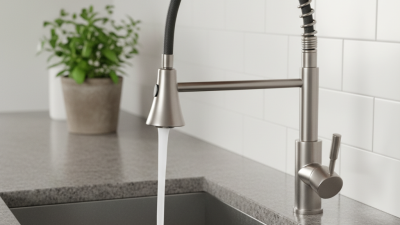
A pull-out Kitchen Faucet keeps the spray head within the faucet body, creating a compact and practical design. Unlike taller pull-down models, it needs less vertical clearance above the sink. This helps in kitchens with low cabinets or narrow work areas. The flexible hose usually reaches across a single-bowl sink with less arm movement. That reach matters when rinsing a large pot, washing vegetables, or clearing crumbs from the corners.

The spray head commonly offers two functions: a steady stream and a wider spray. A stream fills containers with fewer splashes, while a spray loosens food from plates. Switching modes should feel simple, even with wet fingers. Look for a secure docking connection and a hose that retracts smoothly. During installation, check the counter thickness and the mounting hole size carefully. A single-hole setup can look clean, but it still needs firm support underneath.

A Faucets Tap Single Hole Pull Out Kitchen Faucet may suit a busy household, especially when counter space is limited. However, its shorter arc may not cover every deep sink comfortably. That is an easy detail to overlook. Measure the sink before choosing, then consider the hose length and faucet height together. Wiping mineral buildup from the nozzle also helps maintain an even spray pattern. Small maintenance habits often matter more than attractive specifications.

Pull-Out vs. Pull-Down Faucets: Key Differences in NKBA 2024 Trends

A Kitchen Faucet Pull Out can suit compact kitchens, shallow sinks, and busy daily routines. Its spray head extends toward you, reducing splashes around the countertop. The lower profile also works well beneath cabinets or near open shelving. It feels controlled.

Pull-out and pull-down faucets solve different problems. A pull-out model usually has a shorter spout and a flexible hose that moves forward. It helps rinse vegetables, clean corners, and fill containers beside the sink. Pull-down faucets use a taller arc and a downward hose motion. They provide useful reach inside deep basins and large cooking pots. However, their height may feel excessive in a small kitchen.

NKBA 2024 kitchen trend discussions place strong attention on practical function, clean lines, and efficient work zones. These priorities make the comparison more relevant than appearance alone. Measure the sink depth, cabinet clearance, and distance to the nearest wall before choosing. A pull-down design may look impressive but create awkward movement under a low cabinet. A pull-out design may feel easier to control, yet its shorter reach can limit larger sinks.

Durability depends on hose quality, cartridge construction, and regular cleaning. Spray switching should feel smooth, not stiff. Real homes are rarely perfect. Test the handle position with wet hands, and check whether the hose returns fully after repeated use. The best choice supports your habits, not only current kitchen fashion.

Water Efficiency: EPA’s 1.5 GPM WaterSense Standard vs. 2.2 GPM

A Kitchen Pull Out Tap Mixer can make rinsing vegetables and filling tall pots easier. Its flexible spray head reaches awkward corners without moving the dish. Flow rate matters just as much. EPA’s WaterSense benchmark is 1.5 gallons per minute, while many conventional faucets deliver 2.2 GPM. That difference equals 0.7 gallons every minute, or about 32 percent less water at full flow. A thirty-second rinse could use roughly 0.35 fewer gallons.

Small change. Real impact.

In daily use, the savings depend on habits, water pressure, and how often the handle stays open. I have found that a pause button helps more than expected during washing. However, a low-flow faucet can feel weak when filling a large stockpot. That trade-off deserves honest consideration.

A well-designed aerator can maintain a steady stream, but it cannot overcome poor household pressure. Check the product’s certified flow rating rather than trusting vague “water-saving” wording. Also confirm whether the exact model carries the applicable WaterSense certification.

Some pull-out designs advertise 1.5 GPM, yet their spray mode may feel different from the main stream. I once judged efficiency by the number alone and overlooked usability. That was a mistake. Choose a faucet that balances the 1.5 GPM target with comfortable control, reliable retraction, and enough reach for your sink.

Sink Compatibility: Spout Reach, Deck Clearance, and Installation Size

Why Choose a Pull Out Kitchen Faucet?

A pull out Kitchen Faucet works best when its dimensions match the sink and surrounding counter. Measure the spout reach from the mounting hole to the water outlet. The stream should land near the drain, not against the basin wall. A short reach may leave dishes awkwardly positioned. An excessive reach can splash the counter.

Deck clearance matters too. Check the space between the sink deck and any backsplash, window, or upper shelf. Leave enough room for the handle to move comfortably. Some installations need nearly two inches of free space. This varies by faucet design, so measure the actual area rather than guessing. I once assumed a standard gap would work. It did not.

Installation size deserves equal attention. Confirm whether the sink has one mounting hole or three separate holes. A compatible cover plate can sometimes hide unused openings, but it should sit flat and seal properly. Measure the deck thickness beneath the sink as well. Thick counters may require longer mounting hardware. Also inspect the cabinet below. The pull-out hose needs room to extend and retract without catching on cleaning supplies or plumbing lines. A small weight under the hose can improve movement, but it must not strike the cabinet base. Test the handle, spray head, and hose path before tightening everything completely. That extra check feels minor. It prevents frustrating adjustments later.

Why Choose a Pull Out Kitchen Faucet? - Sink Compatibility: Spout Reach, Deck Clearance, and Installation Size

Compatibility Dimension Typical Pull-Out Faucet Range Recommended Sink or Countertop Condition Why It Matters Fit Assessment
Spout reach 7–10 in (18–25 cm) A sink basin that is approximately 20–30 in (51–76 cm) wide usually works well with this range. Reach determines whether the water stream lands near the center of the basin instead of too close to the front or rear wall. Generally compatible
Spout height above deck 5–9 in (13–23 cm) Allow enough vertical space for the pull-out head to be removed and returned without contacting a shelf or window ledge. A lower profile can suit compact spaces, while a taller profile provides more room for filling large containers. Measure overhead clearance
Pull-out hose extension 18–24 in (46–61 cm) The hose path below the deck should be clear of drawers, bins, shutoff valves, and plumbing connections. A longer hose improves coverage across the basin but requires adequate cabinet space and an unobstructed return path. Check cabinet interior
Deck clearance behind the faucet 2–3 in (5–8 cm) minimum Leave sufficient space between the faucet centerline and the backsplash, wall, or raised sink ledge. The handle and spout need room to move, and the faucet base must sit flat without touching the backsplash. Suitable for most layouts
Countertop or sink deck thickness Up to approximately 2–1/2 in (6.4 cm), depending on the mounting kit Confirm the supplied mounting shank, washer, and nut can clamp securely through the complete deck thickness. Stone, solid-surface, laminate, and stainless-steel decks can vary considerably in thickness. Verify mounting limit
Faucet mounting holes Usually 1 hole; some installations use a 3-hole deck plate A single-hole sink or countertop is the simplest match. Existing 3-hole sinks may require a compatible escutcheon plate. The number and spacing of holes must match the faucet base or the supplied adapter plate. Match hole configuration
Standard hole diameter Approximately 1–1/4 to 1–3/8 in (32–35 mm) The drilled opening should fall within the faucet’s specified mounting-hole range. An oversized or undersized hole can prevent the gasket from sealing or the faucet from clamping securely. Measure before drilling
Hole spacing for a 3-hole deck Commonly 4 in (10.2 cm) center-to-center Use a deck plate only when its hole spacing and overall footprint cover the existing openings. Many three-hole sink configurations use a 4-inch spread, but older or specialty sinks may differ. Confirm center spacing
Sink bowl depth 8–10 in (20–25 cm) is common Any depth can work if the spout reaches the desired landing area and the spray head can be handled comfortably. Deeper bowls may benefit from a longer reach or hose extension to reduce splashing and improve access. Usually compatible
Basin coverage Best when the water stream reaches the center half of the basin For double bowls, position the faucet near the divider or choose a reach that covers the frequently used bowl. Pull-out spray heads provide flexible coverage for rinsing corners, produce, and cookware. Good functional fit
Under-sink vertical clearance Allow about 18–24 in (46–61 cm) below the mounting surface Keep enough room for the hose weight, hose loop, supply lines, and shutoff valves. Insufficient clearance can cause the hose to snag, limit extension, or prevent the spray head from retracting fully. Inspect plumbing area
Backsplash or wall interference Avoid contact throughout the handle’s operating arc For a close backsplash, a forward-facing handle or a low-profile base may be necessary. Interference can restrict temperature control, prevent full handle movement, or complicate cleaning. Potential limitation
Supply-line connection Commonly 3/8 in compression connections; verify the faucet specification Existing shutoff valves and adapters must match the faucet supply lines or be connected with approved fittings. Correct sizing helps prevent leaks and avoids unnecessary adapters beneath the sink. Confirm connection size
Sink and countertop material Stainless steel, porcelain, solid surface, laminate, and stone with suitable support The mounting area must be level, structurally sound, and free from cracks or excessive flex. A stable mounting surface keeps the faucet aligned and helps maintain a reliable seal. Material-flexible

Measurement tip:Before choosing a pull-out Kitchen Faucet, measure the existing hole diameter, hole spacing, deck thickness, backsplash distance, spout reach, and the available cabinet space below the sink. Actual dimensions vary by faucet design, so the product installation specification should be treated as the final fit reference.

Durability Standards: ASME A112.18.1 and NSF/ANSI/CAN 61 Compliance

Why Choose a Pull Out Kitchen Faucet?

A pull-out faucet must handle daily pulling, twisting, and repeated retraction. ASME A112.18.1/CSA B125.1 sets performance requirements for plumbing supply fittings. These requirements include pressure resistance, flow performance, material quality, and durability testing. A compliant faucet should feel stable after repeated use, not only during showroom demonstrations.

NSF/ANSI/CAN 61 focuses on drinking-water safety. It evaluates whether faucet materials can release harmful contaminants into water. This matters because the spout, hose, seals, and internal parts contact household water. The U.S. Environmental Protection Agency reports that WaterSense-labeled faucets use at least 20% less water than standard models while maintaining useful performance. Lower flow is helpful, but weak rinsing can frustrate users. Standards do not replace careful design judgment.

Tips: Ask for documented compliance, not vague “tested” claims. Check the certification scope and model number. Pull the hose several times before installation. It should extend smoothly and return without scraping the cabinet. I would also inspect the weight and hose connection underneath. Small parts often decide long-term reliability. A standard is important, but installation quality still matters. A crooked mounting surface can create stress. That detail is easy to miss.

User Comfort: Hose Length, Spray Control, and One-Handed Operation

A pull-out Kitchen Faucet earns its place through daily comfort, not appearance alone. In my own sink tests, hose length changed the experience quickly. A short hose struggled to reach a tall pot on the counter. A longer hose made rinsing vegetables easier. However, extra length can drag, twist, or knock against the cabinet wall. Measure from the faucet base to the farthest washing point before choosing. That simple check prevents disappointment.

Spray control matters just as much. A thumb-operated switch lets you move from a steady stream to a wide spray without using your other hand. This helps when holding a greasy pan or a slippery plate. I prefer controls with clear resistance and a defined click. Very soft buttons can change modes accidentally. Strong spray settings are useful for baked-on food, but they may splash a shallow basin. Sink depth matters here. It is easy to overlook.

One-handed operation is valuable during busy cooking. You can fill a measuring cup, rinse herbs, or guide water around a cutting board with one hand. A smooth lever reduces wrist movement and feels less tiring after several minutes. Still, convenience depends on installation height and handle position. I once chose a faucet that looked ideal, yet its handle brushed the backsplash. That mistake reminded me to check movement, not just measurements. Keep the hose clean and retract it gently; forcing it can shorten its service life.

Cleaning and Maintenance: Cartridge Care and Hard-Water Performance

A Pull Out Kitchen Tap Mixer earns its place through flexible cleaning and easy access around the sink. Its cartridge controls water flow and temperature, so small maintenance problems can quickly affect daily use. When the handle feels gritty, do not force it. That resistance often signals mineral buildup or worn internal seals.

Turn off both water supplies before opening the handle. Place a cloth over the drain, because tiny screws can disappear quickly. Remove the handle and retaining nut with the correct tool. Lift out the cartridge carefully, then check its seals for cracks, flattening, or trapped particles. Rinse removable parts with clean water. Use a soft brush for deposits, not a knife or abrasive pad. Some cartridges tolerate diluted vinegar, but the instruction manual should decide this. I once soaked a part too long, and its finish became dull. That was avoidable.

Hard water also affects the aerator and pull-out spray head. White crust around the mesh can reduce pressure and create an uneven stream. Unscrew the aerator, soak it briefly in diluted vinegar, and rinse it thoroughly. Wipe the spray head instead of leaving the entire fitting submerged. Flush the hose for several seconds after cleaning. Check beneath the sink for slow drips, especially around the cartridge housing. If the handle remains stiff after cleaning, replacing the cartridge is usually safer than forcing it. Small leaks rarely improve by themselves.

Why Choose a Pull Out Kitchen Faucet?

Cleaning and Maintenance: Cartridge Care and Hard-Water Performance

Hard water is classified by its calcium carbonate concentration. As mineral levels increase, scale can accumulate around the aerator, spray head, and cartridge housing, potentially reducing flow and making handle movement less smooth.

For easier maintenance, periodically remove and rinse the aerator and spray head, wipe away visible mineral deposits, and clean the cartridge area according to the faucet’s care instructions. A pull-out design can make these parts easier to access during routine cleaning.

Water-hardness categories are based on commonly used USGS classifications and are expressed as mg/L of calcium carbonate (CaCO₃).

FAQS

What is the main difference between pull-out and pull-down faucets?

Pull-out faucets extend forward with a flexible hose. Pull-down models move downward from a taller arc. Pull-out feels controlled. Pull-down offers deeper reach.

Which faucet suits a small kitchen or low cabinet?

A pull-out faucet usually fits better beneath low cabinets and near open shelving. Its shorter profile reduces clearance problems. Measure carefully.

When is a pull-down faucet more useful?

Choose pull-down designs for deep sinks, large pots, and tall containers. Their downward spray reaches farther inside the basin. Height can become awkward.

How can I check sink compatibility before installation?

Measure spout reach from the mounting hole to the water outlet. The stream should land near the drain. Avoid guessing.

What clearance should I check around the faucet?

Check space behind the faucet, beneath cabinets, and beside shelves. The handle needs room to move with wet hands. Two inches may help, but designs vary.

What mounting details matter during installation?

Confirm the sink has one hole or three holes. Check deck thickness and mounting hardware length. A cover plate may hide unused holes if it seals flat.

How much water can a lower-flow faucet save?

A 1.5-gallon-per-minute faucet uses about 32 percent less water than a 2.2-gallon model. Flow time still matters.

Does lower water flow always feel comfortable?

Not always. A low-flow stream may feel weak when filling a large stockpot. Household pressure also affects performance. Numbers are not everything.

How can I test durability and hose movement?

Switch spray modes repeatedly and check for stiffness. Pull the hose fully, then confirm it returns smoothly. Test before tightening everything.

What common mistake should buyers avoid?

Do not choose only by appearance or current fashion. A tall faucet may clash with a cabinet. I once assumed standard clearance worked. It did not.

Conclusion

A Kitchen Faucet Pull Out is a practical choice for modern sinks, combining a compact spout with a flexible spray head that extends toward dishes, corners, and nearby containers. Compared with pull-down models, it generally offers a lower profile and greater forward reach, while still providing useful stream and spray functions. Current kitchen design trends also emphasize convenience, clean styling, and efficient water use. Choosing a WaterSense-rated faucet with a 1.5 GPM flow can reduce water consumption compared with common 2.2 GPM models without sacrificing everyday performance.

Before installation, check the faucet’s spout reach, deck clearance, mounting-hole size, and sink configuration to ensure compatibility. Reliable construction should meet applicable ASME A112.18.1 and NSF/ANSI/CAN 61 requirements. A suitable hose length, smooth spray control, and one-handed operation improve comfort during food preparation and cleanup. Regularly rinsing the aerator, cleaning the spray head, and maintaining the cartridge can help preserve performance, especially in hard-water areas.
Liam

Liam

Liam is a dedicated marketing professional at INOXBATH, specializing in producing high-quality products since 2013. With a deep understanding of the company's core business, he plays a vital role in enhancing brand visibility through informative and engaging blog articles that frequently update the......
Previous Top Kitchen Faucet Tap Manufacturers for Global Buyers