As more and more businesses focus on being efficient and keeping things clean, the demand for top-notch Industrial Sink Faucets is climbing up steadily. Did you know that, according to a recent report from the American Industrial Hygiene Association, over 70% of food and beverage companies have actually upgraded their sink faucets in just the past couple of years? It’s all part of a bigger trend towards meeting health rules and stepping up hygiene game in commercial spaces.
Industry experts like John Miller, who’s pretty much a go-to guy in plumbing circles, say, “Picking the right Industrial Sink Faucet can really boost safety standards in any workspace.” He emphasizes that it’s not just about having functional fixtures — investing in quality really pays off in the long run.
That said, choosing the right faucet isn’t always a walk in the park. A bad choice could mean constant repairs or even having to replace things sooner than expected, which nobody wants. Plus, a lot of options out there might not quite hold up under heavy-duty use — and for businesses, durability is kind of a big deal. Bottom line? Finding that perfect Industrial Sink Faucet isn’t just about convenience; it’s key to keeping things running smoothly and staying on top of health standards.
Top Features to Consider When Selecting Industrial Sink Faucets
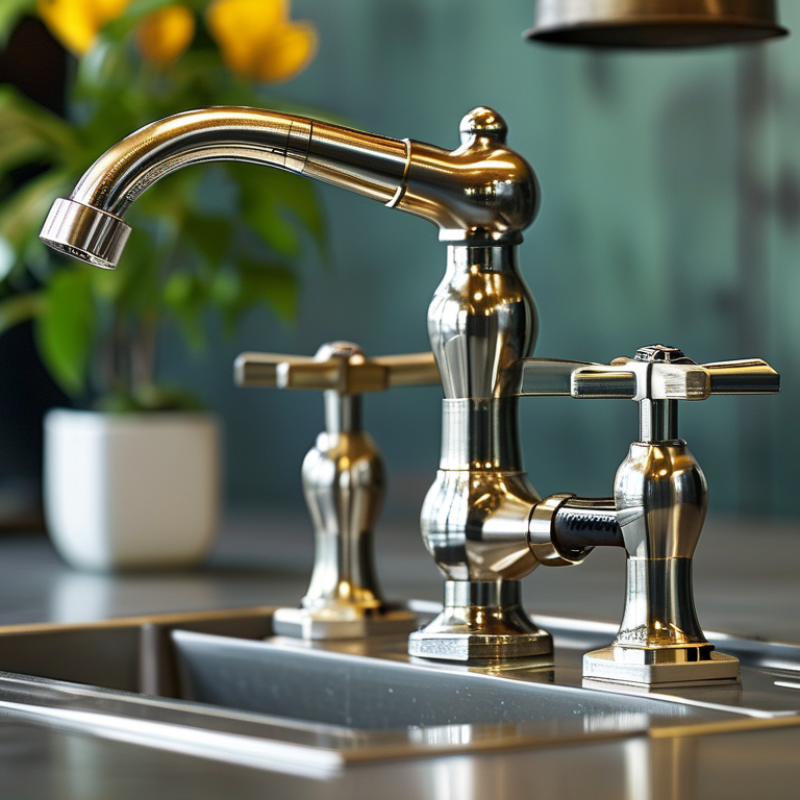
When selecting an Industrial Sink Faucet, durability is crucial. Consider materials like stainless steel, which resist corrosion and wear. A well-made faucet can withstand heavy use in any commercial kitchen. Additionally, the finish is important; a matte finish can hide fingerprints better than a shiny one.
Functionality should also be on your radar. Look for models with adjustable spray patterns. A multi-functional faucet can make cleaning more efficient. Options like pull-down sprayers add versatility, enhancing the user experience. The ease of installation is often overlooked but can save time and costs in the long run.
Water flow rate is another factor to consider. A faucet with a higher flow rate reduces the time spent on washing and rinsing. However, too much water pressure can lead to splashing, causing messes that need additional cleanup. Reflecting on your specific needs and the layout of your workspace can help find the right balance. Reliability remains essential; a frequent repair may disrupt business operations, proving costly over time.
Types of Industrial Sink Faucets and Their Applications
When choosing an Industrial Sink Faucet, understanding the types is essential. Common varieties include pre-rinse faucets and wall-mounted options. Pre-rinse faucets are perfect for kitchens, offering powerful spray heads. They are ideal for rinsing dishes or food items, promoting efficiency in busy environments.
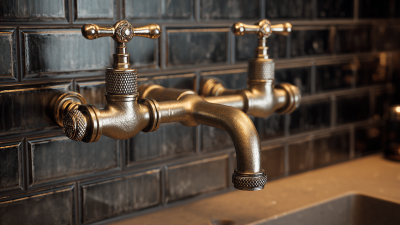
Wall-mounted faucets are increasingly common in industrial settings. These faucets save counter space and provide easy access. They come in various styles and functionalities, catering to different needs. For instance, some feature temperature controls for precision. Others may incorporate advanced materials to withstand harsh environments.
It's important to consider the application before purchasing. Not every faucet suits every task. Understanding your requirements helps in selecting the right product. For high-capacity needs, opting for heavier duty options is wise. Reflecting on the right features can enhance productivity. Choosing the appropriate Industrial Sink Faucet can streamline processes and improve workflow.
Comparative Analysis of Leading Brands for Industrial Sink Faucets
When selecting Industrial Sink Faucets for your business, it's crucial to analyze the leading brands. Many options are available, but not all meet the rigorous demands of industrial settings. Key factors to consider include durability, ease of maintenance, and flow rate. A faucet that is easy to clean can save significant time and effort in a busy environment. It’s worth noting that some models might look efficient but fail under heavy use.
In comparing brands, the overall construction quality stands out. Materials such as stainless steel often offer longevity and resistance to corrosion. Some faucets may have excellent features but are prone to wear and tear. The user feedback on their performance in real-world industrial applications is invaluable. Studies show that reliable faucets can enhance workplace productivity. However, not all setups require the top-tier models, leading to a trade-off between cost and features.
The installation process can also vary significantly. A complex setup can lead to downtime. Choosing a model that's easy to install yet robust can make a difference. Reviews often highlight the balance between functionality and aesthetics. The best choice often reflects a clear understanding of your specific needs. Investing time in research pays off by ensuring you select a faucet that stands the test of time and use.
Factors Influencing the Durability of Industrial Sink Faucets
When selecting Industrial Sink Faucets, durability is a key factor. Reports indicate that the average lifespan of a faucet can range from 10 to 20 years, depending on the material and usage conditions. Faucets made from brass or stainless steel tend to outperform those made from plastic. According to industry studies, 76% of businesses prefer metal finishes due to their resistance to corrosion and wear.
Additionally, the design plays a crucial role in overall durability. Faucets designed with minimal moving parts exhibit longer lifespans. A study revealed that 65% of failures occur in high-use settings. Simple mechanisms are less prone to breakdowns. Regular maintenance also affects durability. Neglect can lead to internal wear and tear, shortening a faucet's functional life.
Many businesses do not realize the impact of water quality on faucet performance. High mineral content can lead to build-up and reduce efficiency. Surprisingly, many still choose faucets without considering local water conditions. This oversight can lead to costly replacements. An informed decision involves balancing material quality, design simplicity, and maintenance routines. Understanding these factors is essential for maximizing the lifespan of an Industrial Sink Faucet.
Factors Influencing the Durability of Industrial Sink Faucets
Installation Guidelines for Industrial Sink Faucets in a Commercial Setting
When installing Industrial Sink Faucets in a commercial setting, attention to detail is essential. Start by selecting a site that provides ample space around the faucet for easy access. Avoid cramped areas; they can lead to maintenance issues in the future. Consider the height of the faucet in relation to the sink. Too high, and it may splash; too low, and it restricts access.
Tips: Ensure your plumbing can handle heavy water flow. Check if the pressure is consistent for optimal functioning of the Faucet Hot And Cold Water Sink Kitchen Faucet. It’s crucial for efficiency in laundries or kitchens. Use a level during installation. A faucet that is not leveled can lead to leaks over time.
Don’t overlook the importance of materials. Choose corrosion-resistant materials to prevent rust. However, cheaper options can be tempting; they often require more frequent replacements, costing more in the long run. Assessing the environment also matters; some fixtures may not endure high-use areas well. Reflect on the possible wear and tear.
Maintenance Tips for Longevity of Industrial Sink Faucets
Maintaining Industrial Sink Faucets is crucial for long-lasting functionality. Regular inspections can help identify potential issues early. Look for leaks around the faucet base. A simple drip can lead to significant water waste over time. Clean hardware regularly to ensure a smooth operation.
Descale the faucet using vinegar to remove mineral build-up. This is especially important in areas with hard water. Ensure the aerator stays clear to maintain optimal water flow. If the faucet seems stiff, it may need grease or lubrication. A well-kept faucet can prevent costly repairs later on.
Consider the benefits of installing Kitchen Sink Faucet Water Filters. They can enhance water quality and protect your plumbing. Regular replacements keep the filters effective. Be aware that some tools require specific care. Ignoring these details can shorten the faucet's lifespan. Remember, attention to detail matters in maintenance.
Cost-Effectiveness of Different Industrial Sink Faucet Options
When selecting industrial sink faucets, cost-effectiveness is vital. Various options range greatly in pricing and functionality. A recent report from the Plumbing Manufacturers International noted that stainless steel faucets are popular due to their durability and low maintenance costs. They can last up to 15 years longer than cheaper alternatives, justifying their initial higher price.
It's essential to consider total lifecycle cost. For example, while a standard faucet may only cost $100 upfront, maintenance and replacement might push the long-term cost beyond $300. In contrast, a Stainless Steel Sink Gold Faucet could cost $250 but save on repairs and replacements, often proving the more economical choice over time.
Selecting the right faucet requires careful thought. Look for features like adjustable flow rates and easy installation. An adaptable faucet may reduce labor costs. Always evaluate your business's specific needs. Not consulting with experts could lead to a mismatch, resulting in wasted resources. Investing in quality options is prudent but must align with operational demands.
Enhancing Bathroom Elegance: Insights from Industry Reports on the Benefits of Single-handle Wall-mounted Shower Faucets
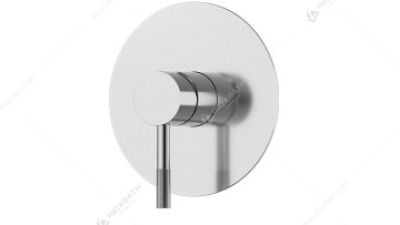
When it comes to enhancing bathroom elegance, the choice of fixtures plays a crucial role. Single-handle wall-mounted shower faucets offer both functional and aesthetic benefits that can transform an ordinary bathroom into a luxurious retreat. These faucets save space and provide a streamlined look, making them an excellent option for modern bathrooms. Industry reports highlight that these stylish fixtures not only optimize water flow but also add a touch of sophistication to the overall bathroom design.
The variety of finishes available further elevates the appeal of single-handle wall-mounted shower faucets. Options like brushed steel, matte black, and brushed gold allow homeowners to express their unique style preferences. Whether you seek a contemporary vibe or a classic touch, there’s a finish to suit every design theme. The brushed rose gold and brushed gunmetal options introduce warmth and depth, making them standout choices for those looking to create a statement in their bathing space. With the appropriate selection, these faucets can seamlessly blend functionality with elegance, reinforcing the bathroom's role as a personal sanctuary.
FAQS
: Stainless steel is ideal. It resists corrosion and wear, ensuring durability over time.
A matte finish can hide fingerprints better than shiny surfaces. It keeps the faucet looking clean.
Consider adjustable spray patterns and pull-down sprayers. These features enhance cleaning efficiency.
A higher flow rate speeds up washing tasks. However, too much pressure can create splashes and messes.
Common types include pre-rinse and wall-mounted faucets. Each serves different kitchen and industrial needs effectively.
Reflect on your specific needs and workspace layout. Not every faucet is suitable for every task.
Yes, simple installation saves time and costs. Complicated setups may disrupt operations and cause downtime.
Real-world performance reviews provide insights into durability and functionality. This can guide your decision-making.
Not necessarily. Some may look efficient but fail under heavy use. Choose carefully based on your environment.
Reflect on your specific requirements. Sometimes, high-cost models might not suit your needs, leading to inefficiencies.
Conclusion
When selecting an Industrial Sink Faucet for your business, it is essential to consider key features that will enhance functionality and efficiency. Understanding the various types of industrial sink faucets and their specific applications can help you make an informed choice. A comparative analysis of leading brands reveals different strengths, while factors influencing durability, such as material and construction quality, play a crucial role in long-term performance.
Proper installation guidelines are vital for ensuring that your industrial sink faucet operates effectively in a commercial setting. Additionally, regular maintenance tips can significantly extend the faucet's lifespan, making it a more cost-effective choice. By evaluating the options available, including the cost-effectiveness of different models, businesses can invest in industrial sink faucets that meet their operational needs while providing reliable service over time.