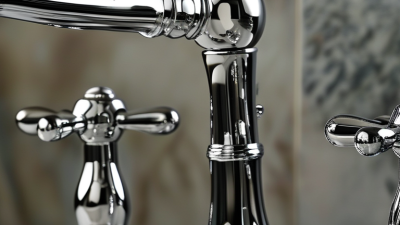



If you want the latest catalog, design inspiration and more, please feel free to contact us
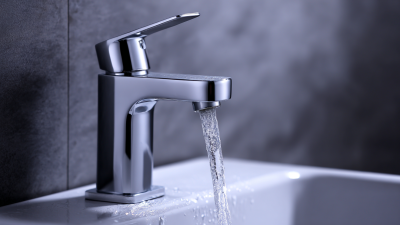
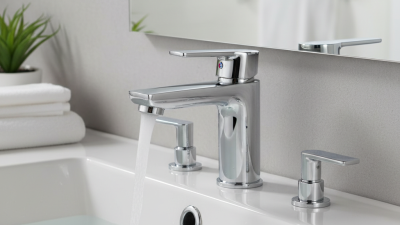
So, you're sourcing Basin Faucets for global projects in 2026? It’s not just about comparing shiny photos and unit prices. Procurement teams still have to dig into water performance, cartridge life, finish consistency, and what the supplier can actually prove. A faucet can look premium on a webpage — then the sample shows up and tells a different story. We've seen tiny details turn into big costs: uneven threads, weak aerators, missing install parts, cartons that flunk drop tests. And those problems get a lot more expensive once ocean freight and regional distribution are in the mix.
A solid evaluation starts with a clear application brief. Spell out basin type, mounting holes, spout reach, water pressure, temperature range, and how often it’ll be used each day. Ask suppliers like Delta Faucet Company, Kohler, or Grohe for production samples. Then compare every sample against the approved spec — don’t just trust the brand name. Ask for material declarations, test reports, warranty terms, spare-part plans, and factory quality records. Sure, the phrase Faucets Bathroom Faucets Bathroom Taps Basin Mixer might show up in search data. But sourcing decisions need engineering evidence. Keywords don’t stop leaks.
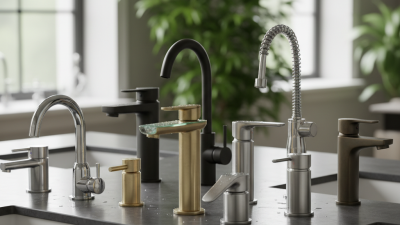
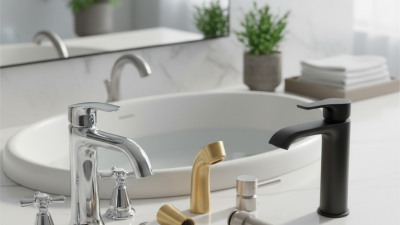
Global buyers should also check finish samples under bright light and warm light. Brushed surfaces can shift from batch to batch. A modest pilot order usually reveals more than a polished presentation. Check packaging, labeling, assembly instructions, and how fast after-sales responds before you scale. That helps build dependable purchasing and clearer supplier accountability. Still, no checklist is perfect. Local installers may catch assumptions that lab tests miss. Keep feedback open, document every change, and revisit specs when field data pushes back. Good Basin Faucets balance design, function, compliance documentation, and realistic landed cost.
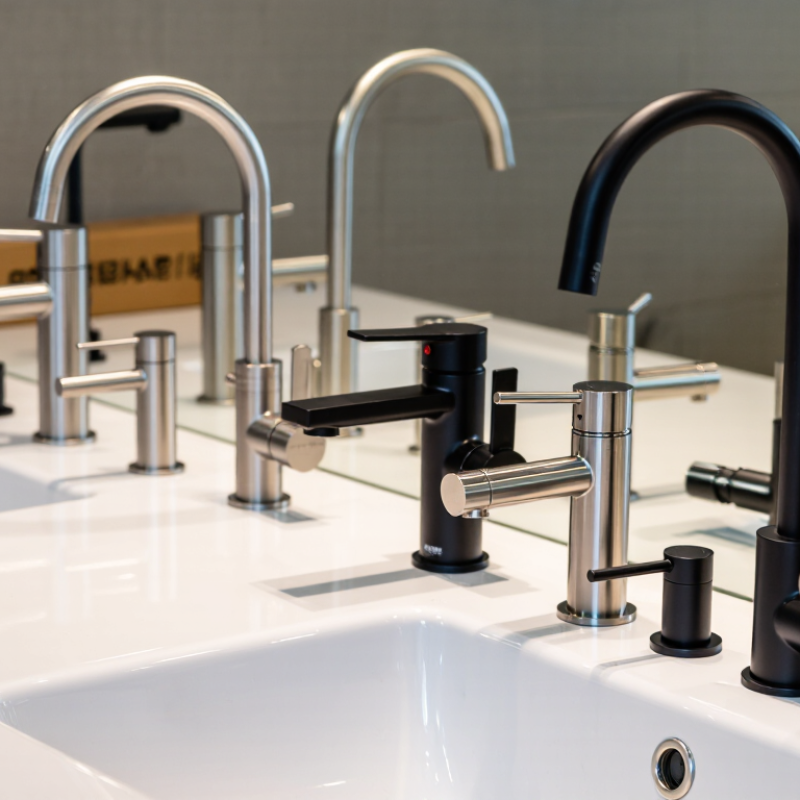
Define the core requirements before comparing Basin Faucets for global sourcing in 2026. Start with the basin type, mounting position, spout height, and required reach. A vessel basin may need a taller faucet, while an inset basin usually needs tighter dimensions. Measure twice. Then specify water pressure, inlet size, handle style, finish, and drainage compatibility. These details prevent costly revisions after samples arrive.
Tips: Create a requirement sheet with exact measurements, material standards, test expectations, packaging needs, and target markets. Request drawings, flow-rate data, corrosion results, and installation instructions. Check whether the supplier can provide stable samples and production records, not only attractive photographs. A small sample may hide weak threads or uneven plating.
Consider daily use, cleaning habits, and local water conditions. Solid brass components can support durability, but material claims require verification through inspection or laboratory testing. Ask for batch traceability and consistent quality checks. Factory audits are useful, though they cannot replace independent inspection. A perfect specification rarely exists. Leave room for practical feedback from installers and users. One overlooked detail, such as a short flexible hose, can delay an entire shipment. Revisit the specification after pilot production, even when the first sample looks convincing.
| Requirement Dimension | Recommended Sourcing Specification | Relevant Markets or Standards | Verification Method | Priority |
|---|---|---|---|---|
| Product Type | Single-handle or two-handle deck-mounted basin faucet; confirm compatibility with one-hole, three-hole, or widespread basin layouts. | Global residential, hospitality, and commercial applications. | Review technical drawings, hole-spacing dimensions, installation photographs, and sample fit tests. | High |
| Mounting Configuration | Define the required mounting-hole diameter, deck thickness range, spout reach, spout height, and clearance from the basin. | Dimensions vary by basin design and regional installation practice. | Approve a dimensional drawing with tolerances; test the faucet on representative basin models. | High |
| Water Flow Rate | Set a target of approximately 4–6 L/min for water-efficient basin applications, subject to local regulations and user requirements. | In the United States, the WaterSense bathroom-faucet benchmark is no more than 1.5 gallons per minute, equivalent to approximately 5.7 L/min. | Use a calibrated flow meter at defined inlet pressures, such as 1.5 bar and 3 bar; record results with and without an aerator. | High |
| Operating Pressure | Specify the intended working range, commonly around 0.5–5 bar for residential products, unless the design is rated differently. | High-rise buildings, low-pressure systems, and pumped systems may require different performance criteria. | Conduct flow, leakage, and function tests at the minimum and maximum specified pressures. | High |
| Temperature Resistance | Specify a maximum working-water temperature suitable for the installation, commonly around 65–80°C for basin faucet components. | Actual limits depend on cartridge, seals, hoses, coatings, and local plumbing requirements. | Check the product datasheet and perform hot-water cycling with the complete assembled faucet. | High |
| Body Material | Use a documented copper alloy, stainless steel, or other approved material; require material composition and corrosion-resistance information. | Potable-water requirements may restrict lead, nickel release, or other substances depending on the destination market. | Request material declarations, alloy test reports, and independent chemical-composition verification. | High |
| Lead and Potable-Water Safety | Specify “lead-free” construction where required and define maximum allowable extraction or leaching levels for all wetted parts. | Examples of applicable frameworks include NSF/ANSI/CAN 61, U.S. lead-free requirements, and European drinking-water material rules. | Obtain a current third-party test report covering the exact model, materials, finishes, and wetted components. | High |
| Mechanical Performance | Require smooth handle movement, stable temperature control, secure mounting, and no leakage during the defined service-life test. | EN 817 is commonly used for mechanically adjustable mixing valves; ASME A112.18.1/CSA B125.1 is used in North American plumbing applications. | Review the test standard edition, test duration, pressure conditions, and failure criteria in the laboratory report. | High |
| Cartridge and Seals | Specify ceramic-disc cartridge construction where appropriate, with seals compatible with potable water, temperature, and cleaning chemicals. | Cartridge dimensions and replacement availability affect after-sales service and product life. | Perform endurance cycling, pressure testing, temperature cycling, and spare-part interchangeability checks. | High |
| Surface Finish | Define finish type, color tolerance, coating thickness, adhesion, abrasion resistance, and corrosion-resistance requirements. | Chrome, brushed finishes, painted finishes, and PVD finishes have different durability characteristics. | Use visual master samples plus coating tests such as adhesion, abrasion, chemical resistance, and neutral salt spray where applicable. | High |
| Aerator and Splash Control | Use a removable, cleanable aerator or flow regulator that delivers a stable stream and minimizes splashing. | Flow-control requirements differ by country, building type, and water-pressure conditions. | Test the outlet at multiple pressures and basin geometries; inspect noise, splash, flow stability, and cleaning access. | Medium |
| Hose and Connection Compatibility | Define inlet connection sizes, thread types, hose lengths, gasket materials, and included adapters for each destination market. | Common connection systems include G3/8, G1/2, and region-specific threaded or compression connections. | Verify thread gauges, dimensional drawings, pressure ratings, gasket compatibility, and installation-tool access. | High |
| Backflow Protection | Assess whether an anti-siphon device, check valve, or other backflow-control component is required. | Requirements depend on the faucet design, flexible hose arrangement, local plumbing code, and water-risk classification. | Confirm the applicable national or local plumbing code and test the complete assembly, not only individual components. | High |
| Noise Performance | Set a maximum acoustic level appropriate for bathrooms, hotels, apartments, or healthcare facilities. | ISO 3822 provides a method for measuring noise emitted by water fittings under defined test conditions. | Request a laboratory acoustic report and verify the test pressure, flow rate, mounting condition, and product configuration. | Medium |
| Water-Efficiency Certification | Decide whether third-party efficiency certification is required in the destination market or project specification. | Examples include WaterSense in the United States and national water-efficiency labeling schemes in various markets. | Check the certification database, model number, flow-rate setting, and production-site scope before placing an order. | Medium |
| Packaging and Transit Protection | Use molded protection or equivalent cushioning, individual packaging, clear installation instructions, and corrosion-prevention measures where needed. | International sea and air shipments may expose products to vibration, humidity, condensation, and carton compression. | Perform carton drop, vibration, compression, humidity, and unpacking inspections using production-intent packaging. | High |
| Documentation and Traceability | Maintain model-specific drawings, bill of materials, testing records, inspection criteria, batch identification, and revision control. | Documentation should match the exact production model and destination-market configuration. | Audit document versions, serial or batch coding, inspection records, and change-notification procedures. | High |
| Installation and Maintenance | Provide multilingual instructions, tool requirements, tightening guidance, cleaning advice, spare-cartridge information, and warranty terms. | Clear instructions reduce installation errors, leakage claims, and service costs across different markets. | Conduct installation trials with independent installers and review translated manuals before mass production. | Medium |
| Sustainability and Packaging Compliance | Reduce unnecessary packaging, identify recyclable materials, avoid restricted substances, and prepare required environmental declarations. | Requirements vary by importing country and may include packaging-waste, chemical, and product-environmental rules. | Review material declarations, packaging composition, restricted-substance statements, and destination-market obligations. | Medium |
| Quality-Control Plan | Define incoming-material inspection, first-article approval, in-process checks, leak testing, appearance inspection, and final sampling. | A documented control plan helps maintain consistency across production batches and approved configurations. | Use an agreed inspection level, acceptance criteria, approved reference samples, and pre-shipment inspection records. | High |
Confirm basin type, mounting position, spout height, reach, basin thickness, and inlet size. Measure twice.
Single-hole models suit compact basins and simplify handling. Widespread models offer flexible spacing but need precise drilling.
Brass can provide a solid feel and long service life when machined correctly.
Test cartridge cycles, leakage, thread accuracy, coating adhesion, and water flow.
Request coating thickness, color tolerances, salt-spray evidence, and finish consistency.
Compare landed cost, including packaging, testing, duties, spare cartridges, transport, and failure handling.
Define material grades, dimensional tolerances, inspection levels, packaging requirements, and corrective-action deadlines.
Request samples from at least two factories and run a small pilot order.
Choosing Basin Faucets for global sourcing in 2026 requires a structured approach that begins with clear project requirements, including installation type, usage environment, design preferences, water pressure, and target market expectations. Buyers should compare faucet configurations, materials, surface finishes, and functional features such as ceramic cartridges, flow control, touchless operation, and ease of maintenance. Product selection must also consider applicable international standards, recognized certifications, water-efficiency requirements, and documentation needed for smooth market entry.
A reliable sourcing strategy should include a thorough assessment of supplier experience, manufacturing quality systems, production capacity, inspection procedures, and ability to support customization. Buyers should calculate the complete landed cost, including product pricing, packaging, freight, duties, insurance, currency changes, and possible import risks. Finally, a practical 2026 procurement plan should define sample testing, quality acceptance criteria, contract terms, delivery schedules, backup suppliers, and supply continuity measures. This process helps companies balance cost, compliance, performance, and long-term reliability when purchasing Basin Faucets internationally.