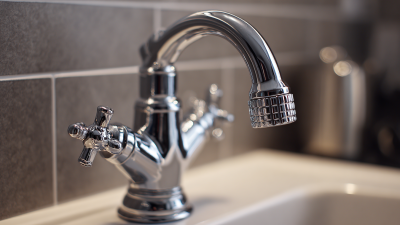
Picking out the right Industrial Sink Faucet for your commercial kitchen or industrial space is pretty important, you know? A good faucet doesn’t just look nice — it actually makes your workflow smoother and more efficient. But trust me, there's more to it than just picking whatever fits. You really gotta think about a few things before making a call.
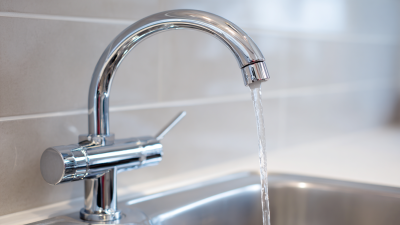
First off, materials and how tough the faucet is matter big time. Since these environments see a lot of heavy use, you want something that can take a beating. Brass and stainless steel tend to be favorites because they last longer and don’t crap out easily. Also, pay attention to the design — a high-arc spout, for example, is super handy when you're dealing with large pots or bulky pans.
And hey, don’t forget about maintenance! Sometimes it’s easy to overlook, but a faucet with complicated parts can end up just becoming a hassle when you're trying to clean it or fix it. A simple, straightforward design is often worth going for; it saves you time and a lot of frustration. All in all, choosing the right Industrial Sink Faucet isn’t just about how it looks. It’s more about how well it performs and how long it will last. Take your time, do your research, and you'll end up with a setup that's both reliable and practical — your kitchen (or workspace) will totally thank you for it.
Understanding the Importance of Industrial Sink Faucets
When it comes to industrial settings, the choice of sink faucets is often overlooked. Yet, these faucets play a crucial role in maintaining hygiene and efficiency. According to a report from the Food and Drug Administration, improper handwashing facilities can lead to a 40% increase in contamination rates in food service environments. Selecting the right Industrial Sink Faucet enhances sanitation and helps prevent foodborne illnesses.
Material and durability are primary considerations. Faucets made from stainless steel are preferred due to their resistance to corrosion and bacteria. Data from a study by the National Sanitation Foundation reveals that stainless steel fixtures reduce bacterial life by up to 97%. This emphasizes the importance of robust materials in environments where cleanliness is critical. Moreover, water efficiency is another factor. Faucets designed for high water flow can waste significant resources. The U.S. Environmental Protection Agency highlights water-saving faucets that reduce consumption by up to 30%. Using a high-quality Industrial Sink Faucet can therefore lead to substantial savings.
Sometimes, organizations underestimate the specifications. The size and type of faucet must align with sink dimensions and intended use. Ignoring this can result in poor performance. Additionally, custom installations may require professional assistance to ensure proper functionality. This oversight could lead to issues that compromise hygiene and efficiency. Ultimately, a strategic approach to faucet selection can revolutionize operational efficiency and align with sustainability goals, including incorporating products such as an Industrial Ro Water Purifier for enhanced water quality.
Top Factors to Consider When Choosing an Industrial Sink Faucet
Key Features to Look for in Industrial Sink Faucets
When selecting an Industrial Sink Faucet, certain features are essential for ensuring functionality and durability. Material quality is paramount. Look for faucets made of sturdy metals that resist rust and corrosion. Stainless steel or brass options are often reliable choices. An easy-to-clean surface can save time and maintain hygiene in busy environments.
Flow rate is another critical aspect. Consider the water pressure in your facility. A faucet with adjustable flow settings can enhance versatility. This flexibility is valuable in industrial settings where water usage can vary significantly. Leverage faucets that support high flow rates for efficient washing.
It's wise to pay attention to handle usability. Ergonomic designs make it easier to operate the faucet even when hands are full. Lever designs can often be operated with a forearm, reducing the spread of germs. Evaluate the distance between the faucet and sink to ensure proper drainage. A faucet too close can lead to splashing, while one too far may limit washing effectiveness. Maintenance needs should also be factored in. A simple design often leads to easier repairs and replacements.
When making your choice, think about the long-term performance of the faucet. A cheap option may save money now but could lead to bigger problems later. Durable and well-designed faucets can minimize replacement needs and save costs over time. Choose wisely to avoid regrets in the future.
Types of Industrial Sink Faucets and Their Uses
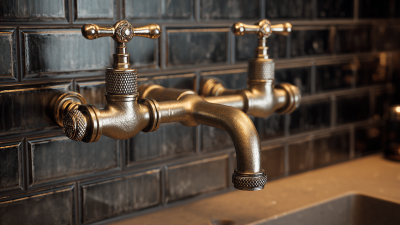
When selecting Industrial Sink Faucets, it’s crucial to understand the different types available. Wall-mounted faucets are ideal for saving space in cramped areas. They provide easy access and keep the sink area clear. These faucets are often used in commercial kitchens and laboratories where functionality is key.
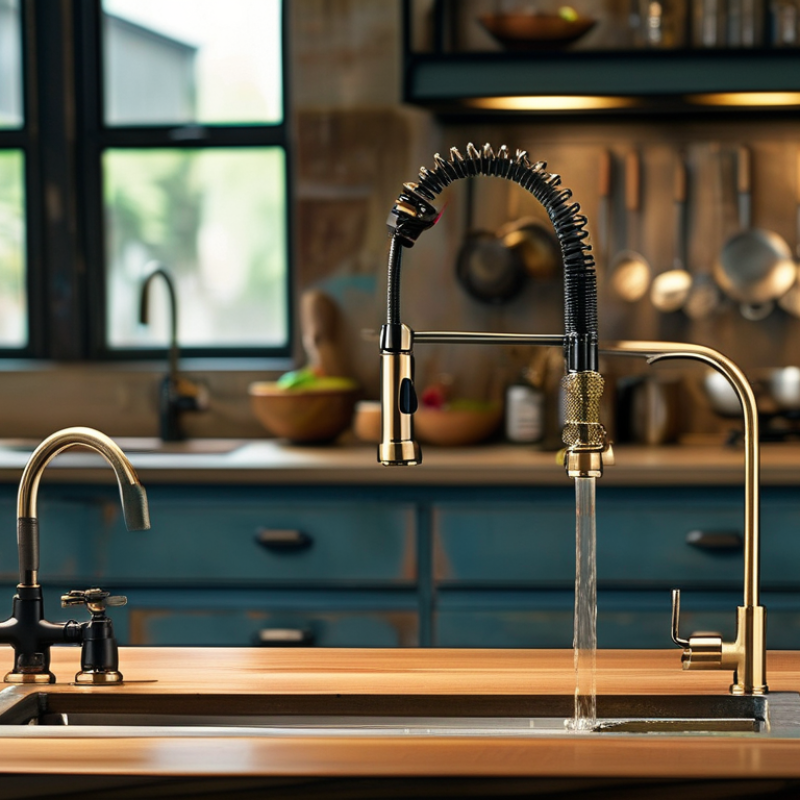
Another popular option is the pre-rinse faucet. This type is particularly useful in environments that require thorough cleaning, such as restaurants. The high-pressure sprayer helps remove stubborn food residues quickly. Many businesses appreciate the convenience and efficiency this faucet brings to their daily tasks.
Consider the material of the faucet too. Stainless steel is a common choice for its durability and resistance to corrosion. However, it can have a cold feel, which some users may find uncomfortable. In time, users may realize that aesthetics also matter. Choosing a faucet that balances form and function can enhance the workspace's overall appearance. Reflecting on these factors can lead to more informed decisions.
Material Considerations for Durability and Performance
When selecting an Industrial Sink Faucet, material choice is crucial for ensuring durability and performance. Stainless steel is a popular option due to its resistance to corrosion, stains, and high heat. This material not only looks professional but also withstands heavy use in demanding environments. However, it's essential to choose grades that can handle your specific conditions, as not all stainless steel is equal.
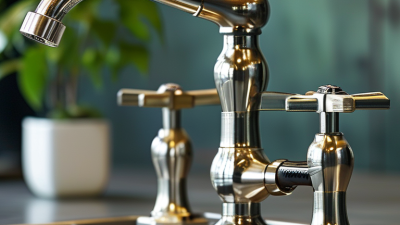
Consider the faucet's finishes as well. Brass, for example, offers excellent durability and can be a stylish addition to your workspace. Yet, its maintenance can be more demanding than that of stainless steel. In environments with harsh chemicals, a top-quality coating may be necessary to protect the faucet over time.
Tips to keep in mind: Look for faucets with easy-to-replace parts. This can save you money in the long run. Regular maintenance checks will also extend the life of your faucet, ensuring it performs optimally. Reflect on what your workspace truly needs before making a decision. Choosing the right material not only impacts durability but also affects overall workflow efficiency.
Compatibility with Existing Plumbing Systems
When selecting an Industrial Sink Faucet, compatibility with existing plumbing systems is crucial. Many facilities have unique plumbing configurations. Ensure that the faucet you choose can integrate seamlessly with your current setup. The wrong faucet type may lead to leaks or reduced water pressure.
Consider the water supply lines already in place. Measure the diameter and size. This will help you find a faucet that connects properly. Additionally, check the faucet's inlet specifications. A mismatch can cause significant issues that are costly to fix later.
Reflect on whether you need a "Faucet Hot And Cold Water Sink Kitchen Faucet." Some sinks benefit from having separate water controls for better temperature regulation. Assess how you will use the faucet. Will it need to handle high water flow? Choose a design that fits these needs for optimal performance. Confirm that it meets local plumbing codes to avoid future complications.
Top Factors to Consider When Choosing an Industrial Sink Faucet
| Factor | Description | Importance | Compatibility |
| Size | Ensure the faucet fits the sink and plumbing space available. | High | Check pipe diameter and fixture space. |
| Water Pressure | Verify the faucet can handle the water pressure of your system. | Critical | Ensure compatibility with pressure specifications. |
| Material | Select durable materials that resist corrosion and stains. | Moderate | Ensure it fits within the plumbing environment. |
| Installation Type | Determine if you need a wall-mounted or deck-mounted faucet. | High | Ensure alignment with existing plumbing setups. |
| Handle Type | Choose between single or double handle for ease of use. | Moderate | Check existing configurations for compatibility. |
Maintenance and Care Tips for Long-lasting Use
Proper maintenance of your Industrial Sink Faucet is crucial for longevity and efficiency. Regular cleaning helps prevent buildup that can lead to corrosion. According to industry reports, a well-maintained faucet can last up to 20 years, while neglecting maintenance can significantly reduce its lifespan. A simple vinegar and water solution can effectively remove mineral deposits without damaging the finish.
Keep an eye on the seals and washers. Over time, these components can wear out and cause leaks. The American Society of Plumbing Engineers highlights that 15% of all water waste comes from leaks. Replacing worn seals promptly saves water and money, ensuring your operations remain efficient.
Inspecting the faucet regularly for damage and wear is essential. Small cracks can lead to significant issues if left unattended. Using Kitchen Sink Faucet Water Filters can also enhance your faucet's performance, reducing mineral build-up. Reports indicate that filtered water can extend the lifespan of faucets, highlighting the importance of considering quality water sources in maintenance plans.
Cost Factors and Budgeting for Your Buy
When budgeting for an Industrial Sink Faucet, one must consider various cost factors. Initially, the type of material can significantly influence the price. For instance, aStainless Steel Sink Gold Faucet may be more expensive than a standard model but could offer better durability and resistance to corrosion. This investment often pays off in the long run, as repairs or replacements can add to overall costs.
Labor costs should also be factored into the budget. Installation can be complex, especially for high-quality faucets like the Stainless Steel Sink Gold Faucet. Hiring a professional might seem costly upfront, but it ensures proper installation and can prevent future issues. Always think about long-term savings versus initial expenditures.
Lastly, additional features can drive up costs. Faucets with advanced temperature controls or filtration systems may seem appealing. However, you should assess if these features align with your needs. It's crucial to find a balance between desired features and realistic budgeting. Reflecting on your actual usage can avoid unnecessary expenses while ensuring you choose a faucet that meets your operational needs effectively.
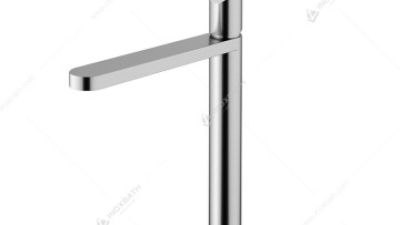
Enhancing Your Bathroom Experience with a Premium 304 Stainless Steel Tall Basin Mixer Faucet
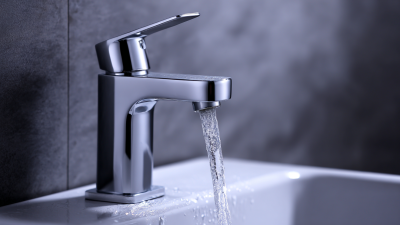
When it comes to enhancing your bathroom experience, investing in a premium Tall Basin mixer faucet can make a significant difference. The elegant design and functionality of a 304 stainless steel faucet not only elevate the aesthetic of your space but also provide durability and long-lasting performance. This faucet is available in an array of finishes including brushed steel, chrome, matte black, brushed gunmetal, brushed gold, and brushed rose gold, allowing you to choose a style that perfectly complements your bathroom decor.
The tall basin mixer faucet features a sleek and modern silhouette, offering both convenience and sophistication. Its design promotes effortless control over water flow and temperature, making everyday tasks more enjoyable. The variety of colors ensures that there is a perfect match for every personal style, whether you prefer a contemporary chrome finish or the timeless elegance of brushed gold. With this faucet, you can seamlessly blend functionality with high-end design, transforming your bathroom into a luxurious retreat where you can unwind and refresh.
FAQS
: They maintain hygiene and efficiency, preventing contamination in food service environments.
Stainless steel is preferred due to its resistance to corrosion and bacteria.
Stainless steel can reduce bacteria by up to 97%, enhancing cleanliness.
Size and type must match sink dimensions and intended use for optimal performance.
High water flow faucets can waste resources. Water-saving models can reduce usage by up to 30%.
Material type, labor costs, and additional features all significantly influence the overall price.
Yes, professional installation may prevent costly future issues and ensures proper functionality.
Consider your actual usage to avoid unnecessary expenses while meeting operational needs effectively.
Yes, features like advanced temperature controls can drive up expenses, so assess alignment with your needs.
Ignoring specifications may lead to performance issues and compromise hygiene and efficiency.
Conclusion
When selecting an Industrial Sink Faucet, understanding its importance in various commercial environments is crucial. Key features to consider include durability, ease of use, and design that suits specific tasks. Different types of industrial sink faucets serve various purposes, from food preparation to heavy-duty washing, and selecting the right type enhances functionality in any workspace.
Material considerations also play a significant role in performance and longevity. Ensuring compatibility with existing plumbing systems is vital for a seamless installation process. Regular maintenance and care will extend the life of your industrial sink faucet, making it a worthwhile investment. Lastly, budgeting effectively by considering cost factors will help you find a quality faucet that meets your needs without overspending.