
inquiry1
If you want the latest catalog, design inspiration and more, please feel free to contact us
0%

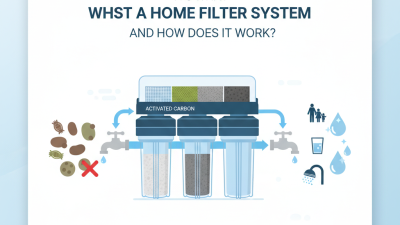
Let’s be honest—choosing a Home Filter System isn’t just about grabbing the sleekest unit you can squeeze under the sink. There’s a bit more to it. What actually works depends on where your water comes from, what your household really needs, and which specific contaminants you’re trying to reduce. The smartest move? Check your local water quality report or get a certified lab test. Start with evidence, not the boldest label on the box.

So here’s a useful rule of thumb that water-quality expert Dr. Joseph Cotruvo has basically laid out in his work: match the treatment to the specific contaminant you’re trying to remove. That’s me paraphrasing, by the way—not a direct quote. A carbon filter might make tap water taste better by reducing chlorine, but if you’re dealing with something else, you might need a totally different method. The key is to look closely at the product’s performance claims and the relevant NSF/ANSI certification—and remember, that certification only covers what’s actually listed, not every possible contaminant under the sun. Also, don’t forget about installation space, what replacement filters cost, water flow, and maintenance. If the cartridge is a pain to find, you might end up regretting an otherwise solid purchase. It’s such a small thing, but honestly, it makes a huge difference.

Look, these seven tips will genuinely help you compare filter types, double-check certifications, figure out what upkeep really involves, and avoid shelling out for features your household just doesn't need. That said, they can't replace an actual water test or advice from a pro if results are worrying. And here's the thing—no single system fits every home. So many buying guides rush past that part. Honestly, pausing for a moment is useful: make sure you know what your water needs before you decide what it doesn't.
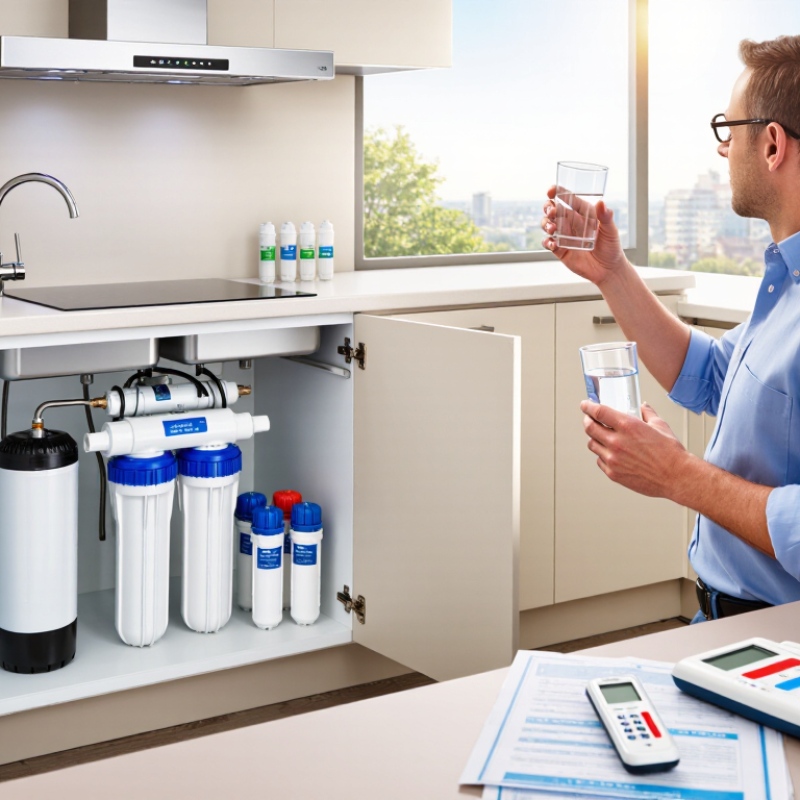
7 Tips for Choosing the Best Home Filter System?

Read Your EPA Consumer Confidence Report, Due by July 1 Each Year

Your annual Consumer Confidence Report is a practical starting point before choosing a home filter. Community water systems must deliver the report by July 1 each year. It describes the water source, detected contaminants, and any violations during the previous calendar year. Find the “detected contaminants” table. Check each result against its listed legal limit, and note the units. Small print matters. I admit, these tables can feel dry, but a specific contaminant name is more useful than a vague “clean water” claim.

The U.S. Geological Survey’s 2023 study estimated that at least one PFAS may be present in about 45% of U.S. tap water. Researchers sampled 716 locations; this national estimate does not tell you what is in your own glass. Your report can help narrow the question. Then check whether a filter is independently certified for the contaminant you want to reduce. NSF/ANSI 53 covers certain health-related contaminant reduction claims, while NSF/ANSI 42 addresses aesthetic effects such as taste and odor. Verify the exact claim, not just the standard number.

A report reflects system-level monitoring, not every Kitchen Faucet. Older plumbing can change water quality on its way to the tap. If the report is unclear, contact your water provider, or consider testing water from the faucet you actually use. That extra step may feel inconvenient. Still, choosing a filter without matching it to a documented concern is mostly guesswork.

Test Private Wells Annually for Coliform, Nitrate, TDS, and pH

Private wells can change after heavy rain, flooding, nearby construction, or seasonal shifts. The CDC recommends testing private well water at least once a year for total coliform bacteria, nitrates, total dissolved solids (TDS), and pH. Coliform bacteria can signal that germs may have entered the water. Nitrate matters especially in homes with infants, because high levels can interfere with the blood’s ability to carry oxygen. The U.S. EPA’s drinking-water limit for nitrate is 10 mg/L measured as nitrogen. Test before choosing a filter. Small changes matter.

The USGS reported that about 23% of sampled domestic wells contained at least one contaminant above a health-based benchmark in its national assessment. That finding does not mean every well is unsafe; it shows why a clear glass is not proof of safe water. Keep a dated record of results, and use a certified laboratory. Test again after repairs, flooding, or a noticeable change in taste, smell, or appearance. pH and TDS help describe water conditions, but they do not identify every contaminant.

Use the results to guide treatment rather than buying a device by guesswork. An Under Sink Hot And Cold Water Filter System may improve water at a tap, but no single filter removes everything. Check that the selected treatment is certified for the specific contaminant found, then maintain it on schedule. I’d be cautious about treating one good test as permanent reassurance. Well water deserves regular attention.

Identify Which Contaminants Your Filter Must Reduce

A House Water Filter System should match contaminants found in your water, not a broad promise on a package. The USGS estimated in 2023 that at least one PFAS may be present in about 45% of U.S. tap water. That is a national estimate, not a result for your kitchen. Small details matter.

Tip: Check your utility’s annual water quality report, then test your tap if you need more specific results. Well owners should arrange regular testing through a qualified laboratory. Ask about locally relevant contaminants, such as lead, arsenic, nitrate, or PFAS. A cloudy glass does not reveal what is dissolved in it.

Tip: Match the filter’s independently verified reduction claims to your test results. NSF/ANSI 53 covers health-related contaminant reduction claims, while NSF/ANSI 42 addresses aesthetic effects such as chlorine taste and odor. Check the exact contaminant and certified model; a standard number alone is not proof that the filter reduces everything you care about. Replacement schedules matter, too. A neglected cartridge can undermine an otherwise sensible choice.

Match Reduction Claims to NSF/ANSI 42, 53, 58, or 401

A filter’s label should name the contaminant it reduces, not just display a standard number. NSF/ANSI 42 covers aesthetic effects, such as chlorine taste and odor, and certain particulates. It does not automatically mean a filter removes lead or other health-related contaminants. Check the product’s performance sheet for the specific reduction claim and test conditions.

NSF/ANSI 53 addresses specific health-related contaminants, including lead or cysts when those reductions are listed. The standard alone does not guarantee every model reduces every contaminant. NSF/ANSI 58 applies to reverse osmosis systems; claims may include reductions in total dissolved solids or particular substances. Look closely at the listed test results. “Reverse osmosis” is not a complete contaminant list.

NSF/ANSI 401 covers certain emerging or incidental compounds, including some pharmaceuticals and pesticides. Coverage depends on the exact claim. Picture filling a glass at the kitchen sink: the water may taste better, but taste cannot confirm lead reduction. That distinction is easy to overlook. I would compare the certification directory entry with the packaging, then check replacement schedules and rated capacity. A missed cartridge change can weaken performance. Certification matters, but the fine print matters too.

7 Tips for Choosing the Best Home Filter System? - Match Reduction Claims to NSF/ANSI 42, 53, 58, or 401

Tip What to Check Relevant Standard Examples of Reduction Claims Practical Buying Check
1. Start with your water concern Identify the specific substance or aesthetic issue you want to address. Use a local water-quality report or appropriate water testing where needed. Depends on the concern: 42, 53, 58, or 401 Taste or odor, lead, dissolved salts, or selected emerging contaminants Do not choose a filter based only on broad phrases such as “purifies water.” Match the product’s specific claims to your needs.
2. Match taste and odor claims to the right standard Look for a stated reduction claim for the particular aesthetic issue, rather than relying on the standard number alone. NSF/ANSI 42 Chlorine taste and odor; certain particulate reduction claims Confirm which specific 42 claim is covered. A 42 certification does not, by itself, establish reduction of health-related contaminants.
3. Check health-effect claims one contaminant at a time Verify that the exact contaminant of concern appears in the product’s certified or independently verified reduction claims. NSF/ANSI 53 Examples of possible claims include lead, cysts, or certain volatile organic compounds (VOCs), depending on the product and claim The standard covers specific claims, not every contaminant. Do not assume that certification for one reduction claim means all 53-related contaminants are reduced.
4. Consider reverse osmosis when appropriate If considering an RO unit, check its tested performance claims, water-use information, and installation requirements. NSF/ANSI 58 Reverse osmosis system performance, including specific reduction claims such as total dissolved solids (TDS), when listed Check the exact certified claims and system specifications. RO performance and water use vary by product and operating conditions.
5. Look for relevant emerging-contaminant claims For concerns about selected emerging compounds, check the individual substances named in the performance documentation. NSF/ANSI 401 Selected compounds such as certain pharmaceuticals, herbicides, or other compounds identified in the applicable claim “401” does not mean reduction of every emerging contaminant. Verify the exact substances and performance statements.
6. Verify the exact model and claim Check the complete model number and the certification or testing record from the named independent certification organization. Any standard listed on the product Specific contaminant reduction claims and any applicable capacity or rated-flow information A product may be tested to a standard without being certified to it. Distinguish “tested to” from “certified to,” and confirm what the documentation actually covers.
7. Plan for maintenance and correct use Review replacement intervals, cartridge availability, rated capacity, flow rate, and installation or plumbing requirements. Standard-specific product instructions Performance applies when the system is installed and maintained according to its instructions and within its rated conditions. Replace cartridges on schedule. An overdue or incorrectly installed filter may not perform as claimed.

Note: NSF/ANSI standards define testing and performance requirements; the specific reduction claims depend on the individual product and its certification or test documentation.

Compare Carbon, UV, and Reverse Osmosis by Certified Performance

A home filter should match the contaminant you want to reduce, not just promise “cleaner” water. Look for independent certification and verify the exact model and claims in the certifier’s directory. Check the exact claim. NSF/ANSI 42 generally covers aesthetic effects, such as chlorine taste and odor; NSF/ANSI 53 covers specific health-related contaminants. Neither standard means a system removes every possible impurity.

Carbon filters can improve taste and reduce certain contaminants, depending on the certified claims. Replace cartridges on schedule: an old filter may perform poorly, even when water still looks clear. UV systems in the NSF/ANSI 55 category are designed to address microorganisms, but they do not remove chemicals or sediment. Cloudy water can also interfere with UV treatment, so pretreatment may be needed. That matters.

Reverse osmosis systems certified to NSF/ANSI 58 can reduce specified dissolved substances, such as certain salts or metals. Check which substances the certification actually names, along with the system’s water-use ratio and replacement schedule. RO units typically send some water to drain and need periodic membrane and filter changes. A certification is useful evidence, not a universal guarantee. Compare the tested performance with your water report, and remember that household plumbing or missed maintenance can affect results. A small label can hide a large difference.

Check Rated Capacity, Flow Rate, and Installation Requirements

Before choosing a home filter, estimate how much water your household uses each day. Rated capacity shows how much water a cartridge can treat before replacement is due. Compare that figure with your actual use, not just the number of people in your home. A small household that cooks often may use more filtered water than expected. Check the conditions behind the rating, too; performance can vary with water quality. Numbers can mislead.

Flow rate affects everyday comfort. A filter that delivers a slow trickle may frustrate you while filling a pot or bottle. Look for the stated flow rate and consider whether it applies at your home’s water pressure. For an Undersink Water Filter System, measure the cabinet space and check the connections before ordering. Leave room to reach the shutoff valve and replace cartridges without wrestling around plumbing.Installation requirements matter. Confirm whether the system needs a dedicated faucet, tools, or changes to existing fittings. I would not assume a tight cabinet will work just because the unit fits on paper; leave space for your hands, too.

Factor in Replacement Filters and Their Rated Service Life

Tip: Compare the replacement-filter price and rated service life, not just the system’s purchase cost. A cartridge rated for six months may need earlier replacement in a busy home or where water carries more sediment. Check whether its rating is given in months, gallons, or both. Small print matters.

Tip: Treat the service-life rating as a guide, not a promise. Household use and incoming water quality can change how quickly a filter becomes clogged or less effective. Note the installation date on the housing, then follow the maker’s replacement instructions. A simple calendar reminder helps. Still, reminders do not replace checking the filter.

Tip:Look for clear availability and installation details before buying. Some cartridges twist out by hand; others require tools or a shutoff valve. If you’re pairing filtration with aBathroom Shower Set System, confirm that the cartridge is designed for that setup. I might focus too much on the upfront price, but recurring costs deserve a closer look. Check the dimensions and replacement schedule before ordering.

FAQS

What can an annual water report tell me?

It lists the water source, detected contaminants, and violations from the previous calendar year. Community water systems must provide it by July 1. Check the detected-contaminants table and its units.

Does a national PFAS estimate describe my tap water?

No. A 2023 study estimated that at least one PFAS may be present in about 45% of U.S. tap water. It sampled 716 locations, but your local report or a faucet-specific test is more relevant.

How can I choose a filter for a specific concern?

Match the filter’s certified reduction claim to a contaminant listed in your report. Check the exact model and claim in the certifier’s directory. A standard number alone is not enough.

What do carbon filters usually address?

Depending on their certified claims, carbon filters can improve taste and reduce certain contaminants. They may help with chlorine taste or odor. Replace cartridges on schedule.

Can an old cartridge still work if the water looks clear?

Clear water does not prove that a filter is working well. An overdue cartridge may perform poorly. The schedule is easy to forget, honestly.

What can a UV system reduce?

UV systems are designed to address microorganisms, not chemicals or sediment. Cloudy water can interfere with treatment, so pretreatment may be needed. That matters.

What should I know about reverse osmosis systems?

Certified systems can reduce specified dissolved substances, such as certain salts or metals. Check the exact substances named, the water-use ratio, and replacement schedule. Some water goes down the drain.

Is a water report enough to understand my Kitchen Tap?

Not always. Reports describe system-level monitoring, while older plumbing may affect water before it reaches your faucet. If the report is unclear, contact your water provider or test the tap you use. Small print matters.

Conclusion

Choosing the right Home Filter System starts with understanding your water. If you use a public water supply, review its Consumer Confidence Report, which is provided by July 1 each year. If your home relies on a private well, arrange annual testing for coliform bacteria, nitrate, total dissolved solids, and pH. Use those results to identify the specific contaminants you want a filter to reduce rather than relying on broad claims.

Next, check that reduction claims are supported by relevant NSF/ANSI certifications: Standard 42 generally covers aesthetic effects, 53 addresses certain health-related contaminants, 58 applies to reverse osmosis systems, and 401 covers certain emerging compounds. Compare carbon, UV, and reverse osmosis options by their certified performance and suitability for your water. Before deciding, consider rated capacity, flow rate, installation needs, and the cost and service life of replacement filters. The best choice is one that fits your test results, household needs, and ongoing maintenance budget.

Emily

Emily

Emily is a dedicated marketing professional at INOXBATH, specializing in the promotion of high-quality bathroom products. Since joining the company, she has leveraged her extensive knowledge of the industry to create engaging content for the company's website, including expert blog posts that......
Previous How to Choose the Best Industrial Sink Faucet?