
inquiry1
If you want the latest catalog, design inspiration and more, please feel free to contact us
0%

So, when you're picking out a Chrome Basin Mixer Tap, it's easy to get caught up in that shiny, polished look – and let's face it, that's usually the first thing that grabs you. But here's the thing: it genuinely affects your comfort, how smoothly you can control the water, how much hassle maintenance turns out to be, and even how the whole bathroom pulls together visually. Most folks I see end up obsessing over that mirror-like finish, but honestly, that's a pretty shaky starting point if you ask me.

Richard Trethewey—you might know him from This Old House—has a point when he says, “A faucet should control water precisely, not simply decorate the sink.” That’s a pretty solid reminder, right? Because honestly, a tap can look gorgeous, but if it doesn’t do its job, you’re going to be annoyed every time you use it. So when you’re shopping around, keep that principle in mind. In this guide, we’ll break down the most common styles of Chrome Basin Mixer Taps: single-lever, dual-handle, tall, wall-mounted, and even the sensor-operated ones. Let’s dive in. So, you know, each type really caters to a different kind of setup – the shape of your basin, how you install it, and what you personally prefer.

Let's think about the details here. For example, a single-lever faucet is great if you want to quickly adjust the temperature with one hand. And a tall mixer looks gorgeous over a countertop basin, but watch out—if the spout isn't aligned just right, it'll splash everywhere. Wall-mounted options give you a sleek, clean look, but you'd better plan your pipe positioning carefully, because that can get tricky. Sensor taps are nice for hygiene, but then you've got batteries and electronic bits to deal with. So yeah, the little things really do matter.

Let's be real: no bathroom is perfect. Water pressure? It's all over the place. Basin depth? Easy to miss until you're stuck with it. And chrome? It shows fingerprints like it's their job. These are the little things you should think about before you buy. In this guide, I'll walk you through the different types, looking at how they perform in real life, what it takes to install them, how long they'll last, and whether they actually look good. I'm not here to crown a single winner. Instead, I want to help you figure out which Chrome Basin Mixer Tap actually fits your space, your plumbing, and the way you use your sink every day.
What Are the Top Chrome Basin Mixer Tap Types?

What Is a Chrome Basin Mixer Tap?

A Chrome Mixer Basin Tap combines hot and cold water through one body and one spout. Its internal cartridge balances temperature and flow as the handle moves. Unlike separate taps, it needs one basin hole and usually leaves a cleaner countertop. The chrome layer is a surface finish, not the tap’s core material. Brass or stainless steel may sit underneath.

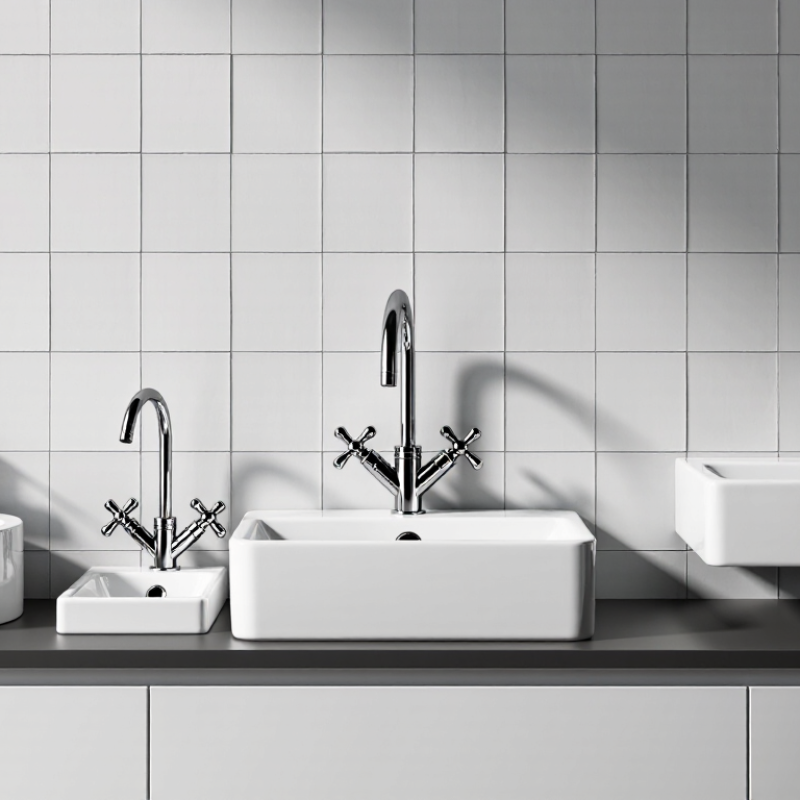
Common types include single-lever, dual-handle, tall, and wall-mounted models. A single-lever Chrome Mixer Basin Tap suits compact basins because one hand controls everything. Dual-handle versions offer finer temperature adjustment, although they need more cleaning around two bases. Tall mixers fit countertop basins, but the spout height must match the bowl. Otherwise, water can splash onto the vanity. That mistake is easy to overlook.

Performance depends on more than appearance. The U.S. Environmental Protection Agency’s WaterSense specification limits bathroom faucets to 1.5 gallons per minute, compared with the older 2.2-gallon standard. Its testing also checks flow, spray force, and pressure conditions. A fitted aerator can make a modest flow feel stronger. I have found this useful during handwashing, especially in homes with lower water pressure. Still, “water-saving” claims deserve checking. They are not always equal.

Chrome also shows fingerprints, limescale, and dried droplets clearly. A smooth wipe after use helps preserve its reflective finish. The European Committee for Standardization’s EN 817 standard covers mechanical mixer-tap performance, including leak resistance and durability testing. Certification evidence matters more than a bright showroom surface. Availability of replacement cartridges should also influence the choice.

How Do Chrome Basin Mixer Taps Work?

Chrome basin mixer taps combine hot and cold water through one compact body. Their ceramic cartridge controls both temperature and flow. Lifting the lever opens the inlet ports. Moving it sideways changes the water balance.

A single-lever mixer is common because it works with one hand. Two-handle versions offer finer temperature adjustment. Tall Basin Mixer Tap Chrome models suit countertop basins, leaving space beneath the spout. Inside, flexible hoses carry water into separate cartridge channels. The mixed water then exits through the spout and aerator. The aerator adds air, creating a softer, less splashy stream.

The U.S. Environmental Protection Agency’s WaterSense specification states that efficient bathroom faucets use no more than 1.5 gallons per minute, about 30% less than standard models. The European Commission’s sanitary tapware criteria set a maximum flow of 6 litres per minute for qualifying products. These figures matter during selection, but flow labels can mislead. Water pressure, hose routing, and a blocked aerator can change the real experience. I have seen a well-rated tap feel weak after installation. That is not always a cartridge fault.

Chrome plating protects the visible brass or stainless-steel surface, but cleaning habits still matter. Wipe water marks with a soft cloth. Avoid abrasive powders. Check that the cartridge seals evenly, without stiffness or dripping. Small installation errors can create large temperature changes. That detail deserves more attention.

What Are the Main Types of Chrome Basin Mixer Taps?

Chrome basin mixer taps are grouped by their controls, body design, and installation method. The single-lever mixer is the most common type, using one handle to adjust temperature and water flow. It suits compact basins because it needs only one tap hole. A ceramic cartridge usually provides smoother control and helps reduce dripping over time.

Two-handle basin mixers have separate hot and cold controls. They offer a more traditional appearance and allow finer temperature adjustments, although they may need more space around the basin. Widespread mixers separate the spout from the handles, so installers can position each part more freely. They work well with larger countertops, but accurate measurements matter.

There are also tall, wall-mounted, and waterfall styles. Tall mixers suit countertop basins with raised bowls, while wall-mounted models keep the basin area visually clear. Waterfall spouts create a broad stream, but splashing can occur if the basin is too shallow. In bathroom fitting work, I check spout reach, basin depth, mounting holes, and water pressure before choosing a Basin Mixer Tap Chrome. A polished chrome finish reflects light and cleans easily, yet it can show fingerprints quickly. That detail is easy to overlook. I would not choose a tap by appearance alone, because handle comfort and cartridge quality affect daily use more than photographs suggest.

Which Chrome Basin Mixer Tap Designs Suit Different Basins?

Chrome basin mixer selection starts with basin geometry, not finish. Single-hole mixers suit compact countertop basins with one pre-drilled opening. Their clean footprint leaves more ceramic visible. Widespread mixers fit three-hole basins and larger vanities. Separate handles allow finer spacing, but installation needs accurate measurements. Wall-mounted mixers suit countertop or vessel basins. They free deck space, yet rough-in height matters. A low spout can strike the rim. A high spout can splash. That detail is often missed.

For shallow inset basins, choose short projection and a controlled aerator. Deep vessel basins need taller spouts, preferably with a steady, central stream. Chrome suits bright bathrooms, but hard-water marks show quickly. WaterSense-labeled bathroom faucets use no more than 1.5 gallons per minute. The U.S. EPA says this can save up to 30% compared with standard 2.2-gpm models. The NKBA 2024 Design Trends Report also highlights accessibility and easy-clean features as continuing bathroom priorities. I would treat this as practical evidence, not a design rule.

Tips: Measure basin depth, tap-hole centres, and backsplash clearance before ordering. Check the spout reach with a paper template. Do not assume every “universal” mixer fits. Chrome is durable, but abrasive pads can dull its surface. In real installations, even a beautiful tap can feel wrong when water lands near the rim. Recheck the alignment. It saves awkward splashing later.

What Are the Top Chrome Basin Mixer Tap Types? - Which Chrome Basin Mixer Tap Designs Suit Different Basins?

Chrome Basin Mixer Tap Type Typical Configuration Best-Suited Basin Recommended Mounting Position Main Advantages Important Compatibility Checks Ideal Use
Standard Single-Hole Monobloc Mixer One tap body fitted through a single basin or countertop hole. Usually combines hot and cold water in one lever or two handles. Countertop basin Inset basin Semi-recessed basin Directly behind or beside the basin waste outlet, depending on the basin design. Simple installation, compact footprint, easy one-handed temperature control, and a clean chrome appearance. Confirm that the basin has a suitable single tap hole and enough clearance behind the bowl for the spout and handle. Most standard bathroom basin installations and space-conscious bathrooms.
Tall or High-Rise Basin Mixer A raised monobloc design with a higher spout to clear the sides of a vessel basin. Countertop vessel basin Bowl basin Installed on the countertop behind the vessel basin rather than through the bowl. Provides the vertical clearance required for above-counter basins and creates a coordinated contemporary look. Check spout height, spout reach, countertop strength, and the distance between the tap outlet and the basin waste to reduce splashing. Modern countertop basin arrangements where the basin has no integrated tap deck.
Low-Profile Basin Mixer A compact mixer with a short body and lower spout height than a standard model. Low inset basin Small cloakroom basin Compact semi-recessed basin Mounted on a narrow rear tap ledge or compact countertop area. Saves space, helps maintain clear sightlines, and is less visually dominant in small bathrooms. Make sure the outlet reaches far enough into the basin and that the handle can be operated without touching a wall or mirror. Guest toilets, cloakrooms, small en-suites, and shallow basin furniture.
Wall-Mounted Basin Mixer The valve and spout are fixed to the wall, leaving the basin deck free of tap holes. Countertop vessel basin Wall-hung basin Tapless basin Installed on the wall above and slightly forward of the basin. Creates a minimalist appearance, simplifies countertop cleaning, and works well with tapless basin designs. The wall structure, pipework position, spout reach, outlet height, and finished wall thickness must all be confirmed before installation. Contemporary bathrooms and layouts where a clear, uncluttered basin deck is preferred.
Three-Hole Basin Mixer Separate hot and cold handles with a central spout, using three deck openings. Three-hole basin Wide tap ledge basin Traditional-style basin Mounted across the rear rim or tap platform of the basin or countertop. Offers balanced symmetry, independent handle control, and a classic or transitional appearance. The basin or countertop must have correctly spaced holes and sufficient deck width for the separate components. Traditional bathrooms, period-inspired interiors, and wide vanity basins.
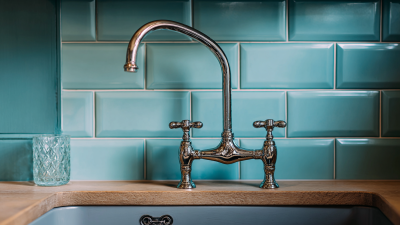
Pillar-Tap Pair with Mixer Function Two separate deck-mounted taps, normally one for hot water and one for cold water. Some versions use a shared or cross-flow arrangement. Two-hole basin Traditional basin Utility-style basin Installed through two separate holes on the rear basin ledge or countertop. Straightforward visual layout, strong traditional character, and compatibility with basins designed for separate taps. Confirm the hole spacing, supply connections, water pressure requirements, and whether the outlet arrangement is suitable for the basin. Classic bathrooms and basins specifically drilled for separate hot and cold taps.
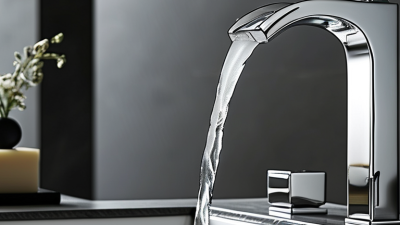
Waterfall Basin Mixer A mixer with an open or broad outlet that produces a visible sheet or stream of water. Wide countertop basin Modern inset basin Open-front vessel basin Mounted on the basin deck or countertop with the outlet aligned toward the bowl centre. Provides a distinctive contemporary feature and makes the water flow easy to see. Check outlet reach, basin depth, splash control, cleaning access, and whether the basin shape can contain the wider water flow. Feature bathrooms where visual impact is more important than a compact profile.
Sensor or Touchless Basin Mixer Electronic infrared activation, usually with automatic shut-off and a separate temperature adjustment mechanism. Commercial basin Public-use basin Hygiene-focused home basin Deck-mounted or wall-mounted, depending on the valve and power arrangement. Reduces hand contact, can limit unnecessary water use, and is convenient in high-traffic washrooms. Check power supply or battery access, sensor range, maintenance clearance, and compatibility with the basin’s mounting holes. Hotels, offices, healthcare settings, family bathrooms, and accessible washrooms.
Thermostatic Basin Mixer A mixer designed to regulate outlet temperature using a thermostatic control rather than a standard manual mixing cartridge. Family bathroom basin Assisted-use basin Safety-focused installation Deck-mounted or wall-mounted according to the selected design and pipework. Helps maintain a more consistent water temperature and can reduce the risk of unexpectedly hot water when correctly installed and adjusted. Verify hot-water system compatibility, minimum operating pressure, temperature limits, service access, and any required safety standards. Homes with children or vulnerable users and bathrooms prioritising temperature control.
Extended-Reach Basin Mixer A mixer with a longer spout projection designed to reach over a deeper or wider basin rim. Wide countertop basin Deep inset basin Offset basin Mounted at the rear or side of the basin, with the spout aimed toward the drain area. Improves water delivery to large or unusually shaped basins and can work where a standard spout would fall short. Measure the horizontal reach carefully. The water should land near the basin waste without striking the front rim or side wall. Large vanity units, deep basins, and asymmetric basin layouts.

Note: Exact dimensions, connection sizes, operating pressures, and installation requirements vary by model. Always compare the tap’s spout height, reach, hole arrangement, water-pressure range, and available clearance with the basin manufacturer’s specifications before purchase.

What Features Should You Compare Before Choosing One?

Chrome basin mixer taps come in several practical forms: single-lever, dual-handle, wall-mounted, and tall-body models for vessel basins. The right type depends on basin depth, counter space, and daily habits. A single lever offers quick temperature control, while dual handles provide finer adjustment but need two mounting holes. Wall-mounted taps create a clean surface, yet their pipework demands accurate planning. A tall tap may suit a raised basin, but its water stream can splash if the spout reach is too short.

Compare measurable features before judging the chrome finish. The U.S. EPA WaterSense specification limits certified bathroom faucets to 1.5 gallons per minute, using at least 20% less water than standard models. Check the tap’s flow rate, aerator performance, ceramic cartridge, spout reach, and operating angle. The EPA also reports that bathroom faucets represent more than 15% of indoor household water use. That makes flow control important, not decorative. Compare installation size, waste compatibility, cleaning instructions, corrosion resistance, and warranty terms. A Chrome Mixer Kitchen Tap may look similar, but kitchen height and spray patterns usually suit different tasks.

Tips: Place a ruler across the basin before ordering. Measure from the tap hole to the drain, then test the expected water arc. Wipe chrome after use; dried mineral spots become stubborn. A smoother handle feels better with wet hands. However, I would not trust appearance alone. Some polished surfaces mark easily, and impressive specifications can hide weak after-sales support. Check independent certification records and installer feedback before buying.

Top Chrome Basin Mixer Tap Types: Feature Comparison

This comparison uses practical scores from 1 to 5 based on the typical design characteristics of each tap type. Consider installation requirements, temperature control, cleaning convenience, and water-saving potential before choosing.

Single-lever mixers are usually the simplest to install and operate. Dual-handle models offer separate hot and cold control, while wall-mounted taps require suitable concealed plumbing. Sensor taps provide touch-free operation and can help reduce unnecessary water use, but they may need batteries or an electrical connection.

How Do You Install and Maintain a Chrome Basin Mixer Tap?

Chrome basin mixer taps usually come in single-lever, dual-handle, and thermostatic designs. Single-lever models offer simpler temperature control and fewer exposed joints. For everyday bathrooms, a quality single-lever tap is often practical, but poor installation can still cause leaks.

Before fitting, isolate the water supply and flush both pipes briefly. Place the rubber seal beneath the tap, then tighten the fixing nut from below. Do not overtighten it. Connect hot and cold hoses without twisting them, and keep the waste opening accessible.

The U.S. EPA WaterSense specification limits bathroom faucet flow to 1.5 gallons per minute, compared with the older 2.2-gallon standard. A flow regulator can help meet this level without making the stream feel weak. Check every connection with dry tissue. Small drips become expensive surprises.

Tips: Clean chrome with warm water and a soft cloth. Avoid abrasive powders, bleach, and acidic descalers. Wipe water spots after use, especially around the spout. The European sanitary industry commonly recommends pH-neutral cleaners for plated surfaces.

I once left a cleaner on chrome for only a few minutes, and the finish dulled slightly. That mistake was avoidable. Replace worn washers or cartridges promptly, and inspect flexible hoses annually for bulges, rust, or dampness. EPA WaterSense guidance also supports efficient flow testing after installation. A bucket and stopwatch provide a useful reality check.

Modern Single-Hole Black Basin Faucets: Design Trends from Grand View Research & Fortune Business Insights Reports

Modern single-hole black basin faucets are becoming a popular choice for contemporary bathrooms, reflecting a broader preference for clean silhouettes, practical installation, and expressive finish options. Their streamlined one-piece design reduces visual clutter around the basin while offering convenient control of water temperature and flow. A matte black surface creates a strong architectural appearance, pairing naturally with white ceramic, natural stone, wood textures, and minimalist bathroom furniture.

Product Item No. IN-S2034-1 is designed to support this modern styling direction with a compact single-hole configuration and a range of coordinated finishes. In addition to Matte Black, available options include Brushed Steel, Chrome, Brushed Gunmetal, Brushed Gold, and Brushed Rose Gold. These finishes allow the same faucet profile to suit different interior themes, from industrial and monochromatic spaces to warm contemporary and softly decorative settings. Brushed surfaces can add visual texture, while polished chrome offers a brighter, more reflective impression.

Current design preferences also emphasize versatility and long-term visual appeal. A well-proportioned basin faucet should complement the surrounding fixtures without overwhelming them, making a refined single-hole model suitable for apartments, hotels, guest bathrooms, and residential renovations. The combination of a simple form, adaptable color selection, and modern basin compatibility makes this style an effective choice for projects seeking both functional convenience and a distinctive contemporary atmosphere.

FAQS

What is the most common chrome basin mixer design?

A single-lever mixer is most common. It controls temperature and water flow with one handle. It usually needs one tap hole. A ceramic cartridge can make movement smoother and reduce dripping.

When should I choose a two-handle basin mixer?

Choose it for a traditional bathroom style or finer temperature adjustment. It needs separate hot and cold controls. Allow extra space around the basin. It may feel less convenient with wet hands.

Which mixer suits a countertop or vessel basin?

A tall mixer usually suits a raised countertop basin. Its spout should reach near the basin centre. Too little reach may send water against the rim. Measure carefully.

Are wall-mounted mixers suitable for all basins?

Wall-mounted mixers keep the basin surface visually clear. They suit countertop and vessel basins. The rough-in height must be accurate. A low spout can hit the rim. A high spout may splash.

What should I check before ordering a chrome basin mixer?

Measure basin depth, tap-hole centres, and backsplash clearance. Check spout reach and mounting space. Use a paper template to test the water position. Do not assume “universal” means suitable.

How does basin depth affect mixer selection?

Shallow basins usually need short projection and controlled water flow. Deep vessel basins often need taller spouts. The stream should land near the drain. This reduces splashing.

What flow rate should I compare?

Compare the stated flow rate before buying. Certified efficient bathroom mixers may use no more than 1.5 gallons per minute. Lower flow can reduce household water use. However, pressure and aerator design still affect comfort.

Is chrome easy to maintain?

Polished chrome reflects light and cleans easily. It also shows fingerprints and hard-water marks quickly. Wipe the surface after use. Avoid abrasive pads. They can dull the finish.

Does appearance matter more than cartridge quality?

No. Handle comfort and cartridge quality affect daily use more than photographs. A smoother handle helps with wet hands. A beautiful mixer can still feel awkward. I might overlook this when focusing on appearance.

Conclusion

A Chrome Basin Mixer Tap combines hot and cold water through a single, easy-to-use control, allowing users to adjust temperature and flow smoothly. Its polished chrome finish offers a clean, reflective appearance that can complement many bathroom styles. The main types include single-lever mixers, two-handle designs, tall basin mixers, wall-mounted models, and waterfall-style taps. Each option suits different basin shapes and installation arrangements, so compatibility with the basin’s tap holes, height, depth, and surrounding space should be considered carefully.

Before choosing a Chrome Basin Mixer Tap, compare features such as cartridge quality, water-saving performance, spout reach, handle operation, overflow compatibility, and surface durability. Installation usually involves connecting the hot and cold supply pipes, securing the tap, and checking for leaks. Regular cleaning with a soft cloth and mild soap helps preserve the chrome surface, while periodic inspection of seals and connections can support reliable long-term performance.
Liam

Liam

Liam is a dedicated marketing professional at INOXBATH, specializing in producing high-quality products since 2013. With a deep understanding of the company's core business, he plays a vital role in enhancing brand visibility through informative and engaging blog articles that frequently update the......
Previous China Top 10 Stainless Steel Kitchen Faucet Suppliers