If you want the latest catalog, design inspiration and more, please feel free to contact us
Choosing a Gold Filter Tap isn’t just about picking something that looks fancy and shiny in your stylish kitchen. For folks shopping from around the world, it means digging a bit deeper—checking how well it filters, the water pressure it can handle, how easy it is to access the cartridge for maintenance, the amount of space needed for installation, and what kind of long-term support or replacements are available. Sure, a tap might dazzle under showroom lights, but behind the scenes, there could be narrow passages, weak seals, or pricey filters waiting to surprise you.
Daniel Mercer, a water-treatment engineer at ClearFlow Fixtures, often says, “A filter tap is only as good as the water path you can’t see.” And that little nugget of wisdom is what guides this guide. We’ve looked at ten different types of Gold Filter Taps—things like filtered-only outlets, three-way mixer taps, boiling-water models, pull-out designs, wall-mounted units, and even some heavy-duty commercial options. Each one is suited for different households, climates, or plumbing setups.
When we rank these, we consider stuff like the quality of the materials, how tough the finish is, compatibility with filters, flow rate, safety features, and how good the support becomes after you’ve bought it. Usually, stainless steel tends to be strong and reliable, but brass bodies can feel pretty substantial when built right. As for the gold finishes—things like PVD coatings, electroplating, or brushed surfaces—they don’t all perform equally, so it's worth paying attention.
Little details really matter here.
Before you click 'buy,' it’s smart to check if the filter claims are certified, see how easy it is to find replacements, read the warranty, and understand the quality of your local water. No ranking is foolproof—sometimes a smaller tap fits perfectly in a tiny apartment, while a high-flow model could be just what you need in a busy restaurant kitchen. What I want to leave you with is this: looks are great and definitely catch your eye, but the real deal is in the hidden engineering that keeps everything working smoothly day after day. The perfect Gold Filter Tap should not only look elegant but also deliver clean, filtered water and stay practical long after you’ve made your purchase.
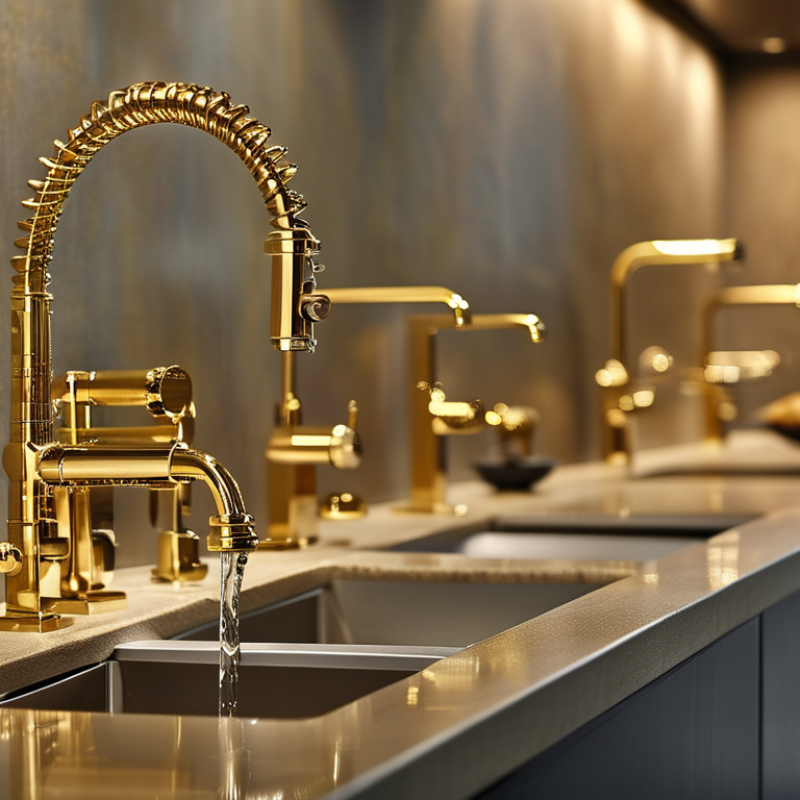
Gold Filter Taps combine a decorative gold finish with a water filtration system. The gold surface does not purify water. A replaceable cartridge does that work. Most models use activated carbon to reduce chlorine, odors, and some sediment. Some systems add fine membrane filtration for smaller particles.
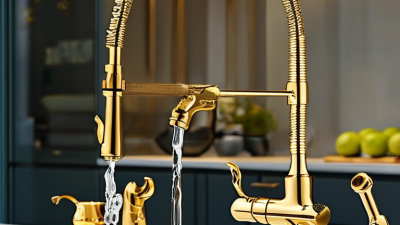
In practical use, filtered water travels through a separate internal channel. This prevents unfiltered supply water from mixing with drinking water. A ceramic valve usually controls the main flow, while a small lever controls filtered water. Pull-out designs offer better reach across a deep basin. TheKitchen Sink Gold Tap Pull Out Kitchen Mixer Tap suits households that wash vegetables and fill tall bottles often.
Buyers should check cartridge capacity, replacement cost, water pressure limits, and installation size. Certification matters more than a bright finish. Look for test evidence from recognized standards or independent laboratories. Requirements differ between countries, so local drinking-water rules deserve attention. I have found that poorly measured cabinets cause more installation trouble than the tap itself. That detail is easy to overlook. Gold plating can also show fingerprints, especially near the handle. Gentle cleaning is safer than abrasive powder. Filters need scheduled replacement, even when the water still tastes acceptable. Some claims sound impressive, but published reduction data should support them.
| No. | Gold Filter Tap Type | Configuration and Main Use | How It Works | Typical Filter Connection | Typical Flow Range | Key Advantages | Important Buyer Considerations |
|---|---|---|---|---|---|---|---|
| 1 | Single-Outlet Dedicated Filter Tap | A separate tap installed beside the main Kitchen Faucet for filtered drinking water. | Water passes through an under-sink cartridge before reaching the dedicated outlet. The tap itself controls dispensing but does not normally perform filtration. | Usually 1/4-inch or 3/8-inch flexible tubing, depending on the filter system. | Approximately 1.5–3.8 L/min, depending on cartridge resistance and inlet pressure. | Simple design, low cross-connection risk, easy operation, and suitable for carbon or ultrafiltration systems. | Confirm mounting-hole diameter, countertop thickness, tubing size, and whether the gold finish is corrosion-resistant. |
| 2 | Three-Way Filter Kitchen Tap | One tap body supplies hot, cold, and separately filtered drinking water. | Independent internal waterways route mains hot and cold water separately from filtered water, reducing the need for a second tap. | Commonly uses 3/8-inch mains connections plus a 1/4-inch or 3/8-inch filtered-water line. | Filtered outlet commonly delivers about 1.5–3.0 L/min; mains outlets are generally higher. | Cleaner countertop appearance and convenient access to three water streams from one fitting. | Verify that the product has genuinely separate waterways and that the filter inlet matches the local plumbing standard. |
| 3 | Pull-Out Filter Tap | A Kitchen Tap with a flexible pull-out spray head and a separate filtered-water path. | The pull-out head normally handles hot and cold mains water, while an independent control or outlet supplies filtered water. | Typically 3/8-inch mains hoses and a separate 1/4-inch or 3/8-inch filter tube. | Filtered water is usually around 1.5–3.0 L/min; spray-head flow depends on the aerator. | Flexible rinsing reach combined with drinking-water filtration in one fixture. | Check hose routing, counterweight clearance, swivel range, and whether filtered water is available through the pull-out head or a separate outlet. |
| 4 | Pull-Down Filter Tap | A high-arc Kitchen Tap with a retractable spray head and an integrated filtered-water function. | A weighted hose returns the spray head to its dock; a separate internal channel supplies filtered water to prevent mixing with untreated water. | Often combines standard hot/cold connections with a dedicated 1/4-inch or 3/8-inch filtration connection. | Filtered outlet commonly ranges from 1.5–3.0 L/min. | Good clearance for large cookware and a modern all-in-one installation. | Inspect the internal separation design, spray-head docking strength, hose length, and available space beneath the sink. |
| 5 | Reverse-Osmosis Compatible Filter Tap | A dedicated drinking-water tap designed for use with an under-sink reverse-osmosis system. | RO-treated water travels from the storage tank or post-filter through a narrow tube to the tap. The tap opens only the purified-water circuit. | Frequently 1/4-inch tubing; some systems use 3/8-inch quick-connect fittings. | Usually about 0.5–1.5 L/min because RO systems and storage tanks restrict flow. | Suitable for high-rejection filtration systems and compact point-of-use drinking-water dispensing. | Check pressure rating, tank compatibility, shut-off behavior, quick-connect size, and whether the finish tolerates frequent wiping. |
| 6 | Ultrafiltration-Compatible Filter Tap | A dedicated tap paired with an ultrafiltration unit for sediment, bacteria, and larger suspended particles. | Water is forced through membrane pores that are commonly much smaller than bacteria but larger than dissolved mineral ions; the tap dispenses the treated water. | Most residential systems use 1/4-inch or 3/8-inch tubing. | Commonly approximately 1.5–4.0 L/min, subject to membrane condition and pressure. | Generally maintains useful minerals and does not require the wastewater stream associated with many RO systems. | UF does not normally remove dissolved salts, hardness, or many dissolved chemicals; match the tap to the actual treatment system. |
| 7 | Carbon-Block Filter Tap | A dedicated or integrated tap used with activated-carbon cartridges for taste, odor, chlorine, and selected organic contaminants. | Activated carbon adsorbs certain compounds, while the block structure physically retains fine particles. Performance depends on cartridge certification and contact time. | Commonly 1/4-inch or 3/8-inch filter tubing. | Often around 1.5–3.8 L/min for point-of-use cartridges. | Good taste improvement, relatively simple maintenance, and no electricity required. | Carbon filtration is not universal purification. Check the cartridge’s certified contaminant claims and replacement interval. |
| 8 | Instant Hot Filter Tap | A point-of-use tap that provides filtered water heated on demand or from a small under-counter tank. | Filtered water enters a heating chamber or insulated reservoir and is dispensed at a controlled temperature through a dedicated outlet. | Usually a 1/4-inch or 3/8-inch filtered-water line plus an electrical connection for the heating unit. | Cold filtered flow is commonly about 1.5–3.0 L/min; hot-water flow is often lower and temperature dependent. | Fast access to hot drinking or cooking water and reduced kettle use. | Review electrical voltage, plug type, overheat protection, child-safety lock, tank capacity, and local installation requirements. |
| 9 | Touchless Sensor Filter Tap | A hands-free filtered-water tap operated by an infrared sensor or electronic control. | A sensor detects hand movement and activates a solenoid valve, allowing filtered water to flow for a programmed period or while detection continues. | Usually 1/4-inch or 3/8-inch water tubing; requires batteries or a low-voltage power supply. | Commonly about 1.5–3.0 L/min for filtered water. | Improved hygiene, convenient operation, and reduced contact with the tap surface. | Check battery life, sensor range, manual override, waterproofing, power compatibility, and ease of cleaning around the sensor. |
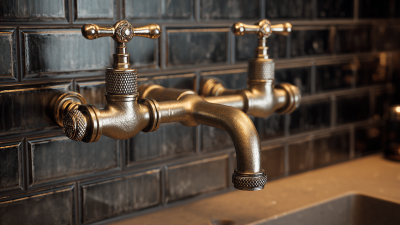
| 10 | Wall-Mounted Filter Tap | A filtered-water outlet fixed to the wall rather than the countertop, useful for compact kitchens and utility areas. | Filtered water is delivered through a concealed or exposed pipe from an under-sink, wall-mounted, or nearby filtration unit. | Connection sizes vary; 1/4-inch and 3/8-inch tubing are common for domestic filter systems. | Typically approximately 1.5–3.8 L/min, depending on the filter and supply pressure. | Saves countertop space and can simplify cleaning around the sink. | Confirm wall structure, pipe routing, service access, mounting height, and compatibility with regional plumbing fittings. |
It combines a decorative gold-colored finish with an internal filtration system. The finish does not purify water. A replaceable cartridge usually reduces chlorine, odors, and some sediment. Filtered water travels through a separate internal channel. This helps prevent mixing with ordinary supply water.
Single-handle models suit compact counters. Pull-out models reach deep basins and tall bottles. Pull-down versions provide stronger spray control. Three-way models separate filtered, hot, and cold water. Wall-mounted taps save counter space but need accurate plumbing. Choose by daily habits, not appearance.
Activated carbon helps reduce chlorine, odors, and some organic compounds. Sediment filters catch rust flakes and sand. Ceramic elements provide finer physical filtration. Reverse osmosis removes dissolved salts more extensively but usually flows slowly. Ultraviolet treatment needs electricity and relatively clear water. No single filter removes everything.
Food-contact stainless steel resists corrosion. Brass can be durable when manufactured properly. Certified plastics may reduce weight and cost. Inspect seals, cartridge housing, and internal connections. A heavy body is not automatically better. Attractive metal can hide poor cartridge access.
Check hole spacing, connection size, water pressure, and cabinet clearance. Measure the space below the sink, too. A cartridge housing may need room to turn. Use a container and timer to test flow. Poor measurements often cause more trouble than the tap.
Replace cartridges on schedule, even when the taste remains acceptable. Sediment, hardness, and daily use can shorten cartridge life. Follow the stated capacity, then consider actual water conditions. Taste alone is a weak signal. I might trust it too much.
Wipe fingerprints with a soft, damp cloth. Dry the handle and base after cleaning. Use mild cleaner only when suitable. Avoid abrasive powder and rough pads. Gold-colored coatings can mark easily near the lever. Small marks show under bright kitchen lights.
Look for independent test results and recognized certification evidence. Check the tested substances, flow rate, pressure, and cartridge life. Requirements vary by location. Published reduction data is more useful than dramatic wording. Ask for documents before ordering. Marketing can sound certain. The details may not be.
A Gold Filter Tap combines the practical function of a kitchen or commercial faucet with an integrated water filtration system, helping users access cleaner, better-tasting water directly from the tap. This article explains how filtration works and classifies tap types by mounting style, outlet design, filter position, control method, and intended application. It presents ten adaptable options for global buyers, ranging from compact single-outlet models to multifunction systems designed for busy household or commercial environments.
The comparison focuses on filtration methods, filter materials, water flow, durability, appearance, and replacement requirements. It also provides guidance for selecting the right Gold Filter Tap according to local water conditions, installation standards, user habits, and market expectations. Key purchasing considerations include material quality, maintenance access, leak prevention, certification requirements, packaging, warranty support, and long-term operating costs. Together, these factors help buyers choose a reliable, efficient, and market-appropriate solution without sacrificing usability or design.