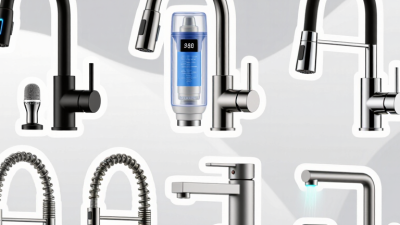
Picking a reliable Kitchen Faucet Tap manufacturer? It’s not just about comparing catalog prices. Global buyers really need verified materials, stable production, clear documentation, and after-sales support that actually responds. A shiny showroom finish can easily hide weak cartridges, uneven plating, or a short list of spare parts. And honestly, those details matter.
Richard Trethewey, a respected plumbing and heating expert, once said, “Water is the most destructive force on Earth.” That warning fits Kitchen Faucet buying pretty well. A dripping valve can damage cabinets, waste water, and chip away at customer confidence. So buyers should look at ceramic cartridge performance, brass composition, hose flexibility, surface durability, and batch inspection records.
This guide looks at leading Kitchen Faucet Tap manufacturers serving international markets. We weigh design range, manufacturing experience, quality systems, customization, packaging, and export capability. Big names like Kohler, Moen, Grohe, Hansgrohe, and Delta Faucet have strong market recognition. But recognition alone doesn’t prove a supplier is right for you.
One supplier might be great at premium architectural projects but struggle with private-label flexibility. Another might offer competitive pricing but weaker technical support. That difference usually becomes obvious after installation—not before.
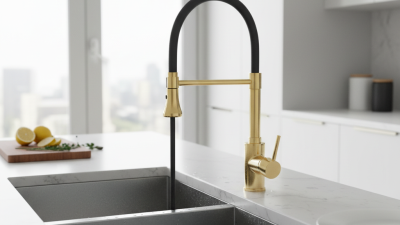
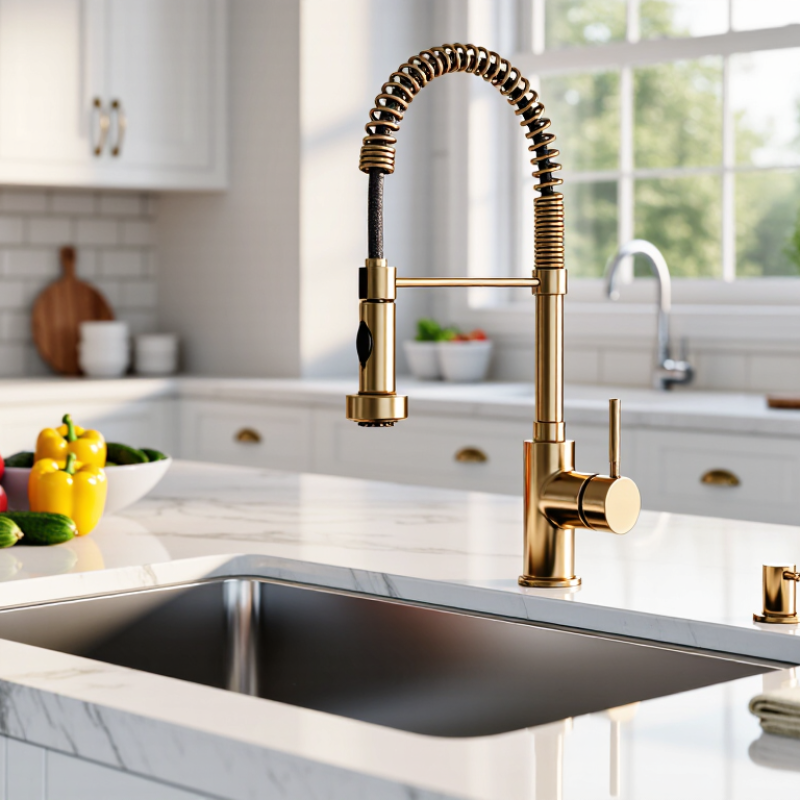
We also think about modern product demands: pull-out sprays, water-saving aerators, single-handle control, and corrosion-resistant finishes. The keyword Kitchen Sink Gold Tap Pull Out Kitchen Mixer Tap reflects a popular style, but appearance shouldn’t lead the decision. Gold plating needs careful testing. Matching accessories can swing customer satisfaction, too.
No manufacturer is perfect. Even experienced factories can hit delays, finish variations, or communication gaps. Global buyers should ask for samples, audit production details, confirm certifications, and test products before placing large orders. That practical approach supports safer sourcing and more dependable long-term results.
Kitchen Faucet Market Overview for Global Buyers
Kitchen Faucet Market Overview for Global Buyers
The global Kitchen Faucet market is expanding with housing construction, renovation, and demand for water-saving fixtures. Fortune Business Insights estimated the global faucets market at about USD 21.5 billion in 2023. However, kitchen-only estimates vary because research firms use different product definitions. Buyers should compare methodology, not only headline figures.
Digital sales are reshaping supplier selection. Grand View Research identifies e-commerce, touchless controls, and multifunctional pull-down designs as important growth areas. In a showroom, a buyer may test spray switching, handle resistance, and hose retraction within minutes. These details often reveal more than polished catalog photographs. Certification, cartridge durability, spare-part access, and packaging quality remain essential for international procurement. Quiet operation matters in open-plan kitchens.
Small details matter.
Manufacturers serving global buyers increasingly offer lead-free materials, flow restrictors, and sensor options. Yet “water-saving” claims require verification through test reports and local compliance documents. Market reports also warn that construction cycles, freight costs, and currency movements can distort short-term demand. This is where many purchasing forecasts become too confident. A better evaluation combines shipment history, factory capacity, independent inspections, and warranty response times. Buyers should request samples before approving container-scale orders, especially when finishes must survive repeated cleaning and hard water exposure.
Global Kitchen Faucet Market Overview for Buyers
Estimated regional share of global Kitchen Faucet demand in 2024. Asia-Pacific and North America represent the largest demand centers, supported by residential construction, renovation activity, and replacement demand.
Source: Consolidated 2024 estimates from publicly available Kitchen Faucet market research and regional construction-market data. Percentages are rounded and represent market demand, not individual company or brand sales.
Types of Kitchen Faucet Taps and Their Main Applications
Kitchen faucet taps differ by control, spout movement, installation, and water-saving function. A single-lever tap adjusts temperature with one hand. It suits busy home kitchens where cooks handle wet ingredients. The catalog phrase “Single Lever Kitchen Mixer Kitchen Sink Faucet” usually describes this practical format. Double-handle taps offer separate hot and cold controls. They fit traditional kitchens and users who prefer precise temperature adjustment.
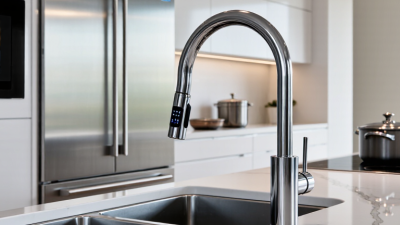
Pull-out faucets work well with compact sinks. Their flexible hose can rinse vegetables or clean nearby corners. Pull-down models provide a stronger vertical spray. They are useful with deep bowls and large cooking pots. A pot-filler tap belongs near the cooker, reducing the need to carry heavy water-filled vessels. It requires careful wall planning and reliable pipe support. Touchless models help reduce handle contact during food preparation. They may need batteries or a stable power connection.
Wall-mounted taps create clear counter space, but their pipe position must be accurate. Compact swivel taps suit small apartments and secondary sinks. For commercial kitchens, high-arc designs and durable cartridges support frequent use. Global buyers should examine material grades, cartridge testing, hose performance, and installation instructions. Consistent quality matters more than attractive photos. Certification requirements also vary by market, so product documents need careful checking. I have found that “universal fit” is often too optimistic. Cabinet depth, sink holes, water pressure, and local plumbing standards can change the actual application.
Key Criteria for Evaluating Faucet Manufacturers
When evaluating faucet manufacturers, buyers should inspect evidence rather than polished catalogs. A factory’s experience should appear in tooling records, batch testing, and stable component sourcing. Ask for cartridge cycle results, salt-spray data, and pressure-test records. A sample that feels smooth today may leak after months of daily use.
Compliance deserves equal attention. Request current test reports for lead content, drinking-water contact, flow performance, and electrical safety where applicable. The U.S. EPA WaterSense program states that labeled bathroom faucets use no more than 1.5 gallons per minute, compared with the federal 2.2-gallon standard. Kitchen products may follow different rules, so buyers must verify the exact category. ISO 9001 certification can support process control, but it does not prove product quality by itself.
Product fit matters across markets. A Faucets Tap Single Hole Pull Out Kitchen Faucet should match local hole sizes, hose connections, water pressure, and installation instructions. Check whether replacement cartridges, aerators, and pull-out hoses remain available for several years. The 2024 Houzz U.S. Kitchen Trends Study shows that functionality remains a major renovation concern, making spray control and docking strength practical evaluation points. Warranty terms should identify labor limits, exclusions, and response times. Manufacturers sometimes promise “global support” without local parts. That weakness is easy to miss. A small pilot order, followed by independent inspection, may reveal inconsistent plating or packaging damage before a large shipment.
Leading Kitchen Faucet Manufacturers by Production Strength
Global buyers often judge a Kitchen Faucet Tap manufacturer by output, not showroom polish. Production strength begins with stable metal sourcing, accurate machining, and repeatable assembly. A capable factory can turn drawings into thousands of consistent units without losing control. That requires documented processes. Look for casting or forging capacity, automated polishing lines, and dedicated testing stations. These details reveal whether growth is real or only claimed.
In factory assessments, I examine daily capacity, defect records, and order recovery plans. A strong producer measures water pressure, cartridge endurance, surface adhesion, and leakage at several stages. Samples should survive repeated opening, closing, and temperature changes. One polished sample proves little. Production strength also depends on tooling maintenance and spare-part availability. If a mold waits weeks for repair, delivery promises quickly become fragile. This is where some evaluations need more skepticism.
Reliable manufacturers share batch numbers, inspection reports, and clear corrective-action records. They explain tolerances instead of hiding behind broad quality claims. Export readiness matters too. Packaging tests, multilingual instructions, and compliance files reduce friction at destination warehouses. Yet capacity should match the buyer’s forecast, not merely impress during a factory tour. Overcommitting can create rushed polishing, mixed components, or delayed shipments. A practical supplier may admit these limits and propose a staged production plan. That honesty is less glamorous, but far more useful.
Quality, Compliance, and Certification Requirements
Top Kitchen Faucet Tap Manufacturers for Global Buyers
Quality begins with materials, not showroom appearance. Reliable manufacturers should identify brass, stainless steel, and polymer grades clearly. A polished sample can still hide weak internal cartridges. Ask for salt-spray results, pressure testing, cycle testing, and lead-content reports. These records should match the exact model and production batch. They should not be generic files copied from another product.
Compliance depends on the destination market. For North America, buyers may review ASME A112.18.1/CSA B125.1 requirements and NSF/ANSI/CAN 61 testing. European projects may require EN 817 evidence and suitable national water-contact approvals. Some markets request WRAS, ACS, or equivalent documentation. Certification names alone are not enough. Check the certificate holder, model number, expiry date, and testing laboratory. Also confirm whether the factory or a trading company controls production. That distinction matters.
Factory audits should examine plating thickness, leak-test stations, worker training, and batch traceability. Request a pre-shipment inspection with photos of cartons, labels, and random samples. Packaging deserves attention too. Loose hoses and scratched finishes create expensive claims after arrival. A manufacturer may pass a laboratory test yet struggle with consistent assembly. This is where buyers should remain skeptical. My own checklist would include corrective-action records, because suppliers rarely advertise failed inspections. That missing detail can reveal more than a glossy catalog.
Sourcing, Pricing, and After-Sales Considerations for Importers
Global buyers should assess kitchen faucet manufacturers through evidence, not attractive catalogs. Request factory profiles, production photos, quality records, and recent export references. A reliable supplier should explain material grades, cartridge testing, flow rates, and surface-finish controls. Ask for samples before approving bulk production. Small details matter, such as thread size, hose length, carton strength, and installation instructions.
Pricing often changes after the first quotation. Confirm whether the offer includes packaging, spare parts, testing, tooling, and shipping terms. Compare landed cost rather than unit price alone. An Instant Electric Water Heater Kitchen Faucet Tap may require additional checks for electrical safety, water protection, heating capacity, and destination-market compliance. Request test reports from recognized laboratories where applicable. Some suppliers provide impressive documents but weak production consistency. That gap deserves attention.
After-sales support should be agreed in writing before payment. Define response times, replacement procedures, warranty duration, and responsibility for defective batches. Ask how many cartridges, aerators, and heating elements can be supplied separately. Keeping a small spare-parts stock may reduce installation delays for importers. Factory audits can reveal practical issues, including crowded workstations or unclear inspection records. I have found that communication quality often predicts service quality, although this is not always true. A supplier may answer quickly yet handle complaints poorly. Record every specification, approval, and packaging change in a signed order file.
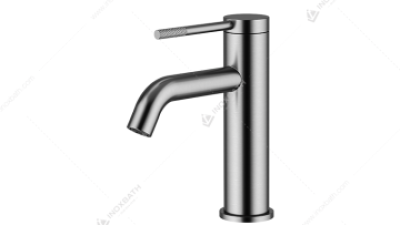
Bathroom Faucet Market Insights (Grand View Research & Fortune Business Insights): Modern Knurled 304 SS Basin Tap
The bathroom faucet market is increasingly shaped by demand for refined design, durable materials, and practical everyday performance. Modern knurled basin taps combine a distinctive textured handle with a clean, contemporary profile, making them suitable for minimalist, industrial, and transitional bathroom interiors. Crafted from 304 stainless steel, this style offers dependable strength and corrosion resistance, while its precise construction supports smooth operation and comfortable water control. The compact basin configuration is well suited to residential bathrooms, guest suites, apartments, and hospitality spaces where both appearance and functionality matter.
Item No. IN-S2034 is available in Brushed Steel, Chrome, Matte Black, Brushed Gunmetal, Brushed Gold, and Brushed Rose Gold, giving designers and homeowners flexibility when coordinating fixtures, accessories, and countertop finishes. Brushed surfaces provide a soft, understated look with a refined texture, while Chrome creates a bright, classic appearance. Matte Black and Brushed Gunmetal add visual depth to modern settings, whereas Brushed Gold and Brushed Rose Gold introduce a warmer decorative accent. With its knurled detailing, 304 stainless-steel body, and versatile finish selection, this basin tap reflects current preferences for personalized, durable, and visually distinctive bathroom fittings.
FAQS
It controls water flow and temperature with one hand. This suits busy cooks handling wet vegetables or dough. Convenient, but not perfect for every user.
Choose it when separate hot and cold controls matter. It fits traditional kitchens and supports careful temperature adjustment. It takes both hands.
Pull-out models suit compact sinks and nearby rinsing tasks. Pull-down models work better with deep bowls and large cooking pots. Sink depth matters.
Place it near the cooker to reduce carrying heavy, water-filled vessels. Plan wall pipes carefully. Strong pipe support is essential. Planning errors are costly.
It reduces handle contact during food preparation. This can help when hands are covered with flour or raw ingredients. Batteries or stable power may be required.
Its pipe position must match the sink and wall structure accurately. Correct placement can clear counter space. A small error may affect usability.
Check metal sourcing, machining, assembly controls, and documented production steps. Review daily capacity and defect records. A glossy sample proves little.
Look for pressure, leakage, cartridge endurance, and surface adhesion tests. Samples should handle repeated operation and temperature changes. Test records matter.
Not always. Cabinet depth, sink holes, water pressure, and local plumbing standards can change the result. I would verify measurements before ordering.
Request batch numbers, inspection reports, installation instructions, and compliance files. Packaging tests also help reduce warehouse problems. Requirements vary by market.
Conclusion
The global kitchen faucet market offers a wide range of products for residential, commercial, and hospitality applications. Buyers should understand the differences among pull-out, pull-down, single-handle, double-handle, touchless, and pot-filler designs, as each Kitchen Faucet Tap type serves different needs related to convenience, water control, installation, and workspace efficiency. Market demand is increasingly influenced by modern design, water-saving features, durable materials, and compatibility with varied plumbing systems.
When evaluating manufacturers, importers should consider production capacity, manufacturing experience, quality-control procedures, customization services, and supply stability. Compliance with applicable safety, material, water-efficiency, and testing requirements is also essential for smooth international distribution. Buyers should compare pricing based on specifications, order quantity, packaging, shipping terms, and warranty coverage rather than focusing only on unit cost. Clear communication, reliable lead times, spare-parts availability, and responsive after-sales service can significantly reduce sourcing risks and support long-term cooperation.