
inquiry1
If you want the latest catalog, design inspiration and more, please feel free to contact us
0%

Picking out Chrome Basin Taps isn’t just about finding something shiny to match your bathroom’s look. The right tap should feel comfortable to use, turn smoothly, and fit nicely with your basin size. Plus, you want it to give you reliable water control for years to come, right?

To help you make a smarter choice, this guide spills the beans on ten practical tips. We’ll talk about things like tap height, how far the spout reaches, handle designs, mounting styles, water pressure, and even cleaning. Small details really do matter— for example, a spout that's too close to the surface might splash everywhere, and a tall tap might look fancy but could make the water flow feel a bit awkward.

Getting it right starts with measurement—no guesswork allowed here! Before you even start browsing, double-check the size of your basin’s tap holes, the space around the rim, and where the overflow is. It’s also smart to read through the technical specs closely—look for clear info about the materials, cartridge details, warranty stuff, and installation tips from trustworthy brands. Sometimes, these small details tell you more than shiny photos ever could.

Now, here’s the real talk: even the prettiest taps aren’t always practical. Some finishes show fingerprints super easily, and handles can feel stiff after a while. That doesn’t mean they’re bad products, but it’s good to think about what will actually work for your daily life.

And don’t forget to think about your routine. Will kids be using the basin? Do you clean the bathroom frequently? Is your water pressure high or is it a gravity-fed system? Being honest about these things will help you narrow down your options.

The ten tips here are meant to balance looking good, working well, being easy to maintain, and worth your money. Of course, they can’t answer every single question, but they’ll definitely help you avoid costly mistakes and pick out Chrome Basin Taps that you'll be happy with, armed with better info.
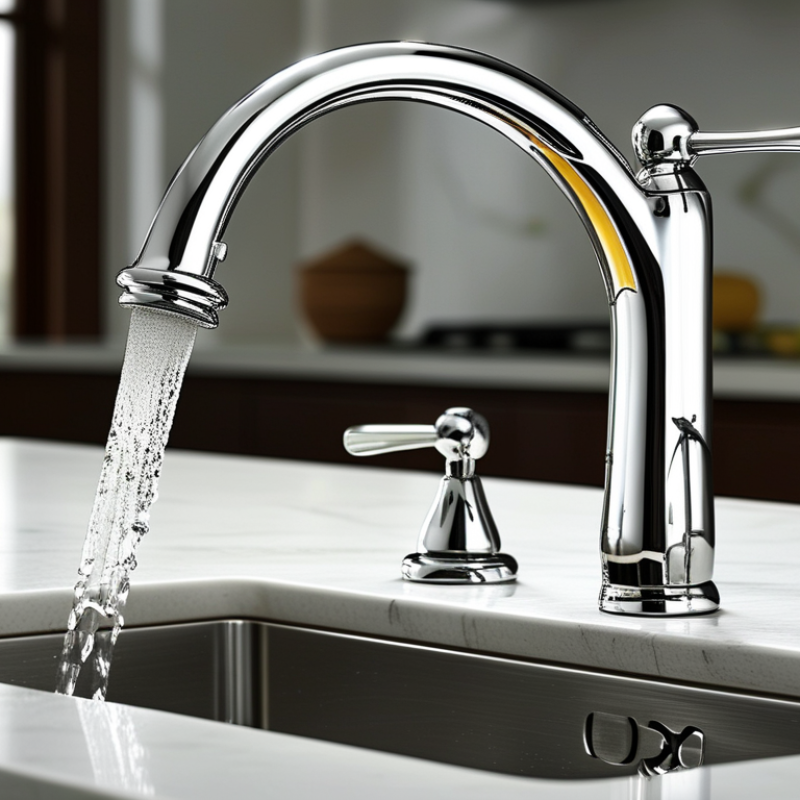
10 Tips for Choosing Chrome Basin Taps?

Understanding Chrome Basin Tap Types and Configurations

Understanding Chrome Basin Tap Types and Configurations

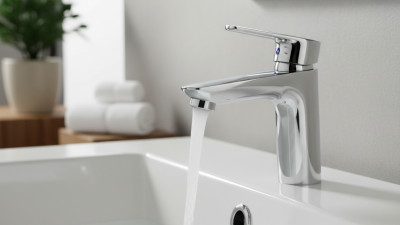
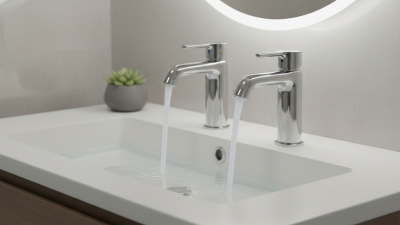
Chrome Basin Taps differ in both appearance and installation requirements. Single-hole models suit compact basins and simplify cleaning. Centerset taps fit three-hole basins with closely spaced openings. Widespread configurations offer separate handles and a more flexible layout. Wall-mounted taps create a clear basin deck, but their pipework must be positioned accurately. Measure the basin’s thickness, tap-hole spacing, spout reach, and outlet height before choosing. A short spout may leave water near the rim. A long one may splash.

Flow performance deserves equal attention. The U.S. Environmental Protection Agency’s WaterSense specification limits bathroom faucet flow to 1.5 gallons per minute at 60 psi. Look for tested flow data, not vague “water-saving” claims. Ceramic cartridges usually provide precise control, while quarter-turn handles feel practical in daily use. For basins with an overflow, match the waste assembly correctly. Chrome is durable and easy to wipe, although hard-water deposits still appear around the aerator. A soft cloth works better than abrasive cleaners. It is an easily missed detail. Installation reviews often reveal another problem: attractive taps may not fit thick countertops or shallow basins. I still measure twice, yet I occasionally overlook handle clearance. That mistake is worth remembering. Check the product’s technical drawing, local plumbing requirements, and replacement-part availability before purchase.

Matching Tap Dimensions to Your Basin and Bathroom Layout

10 Tips for Choosing Chrome Basin Taps

Matching tap dimensions to the basin prevents splashing, awkward hand positions, and wasted counter space. Measure the basin’s inside depth, width, and tap-hole spacing before choosing Basin Chrome Taps. As a practical guide, the spout should reach roughly halfway to two-thirds across the bowl. A longer reach may strike the opposite wall. A shorter reach can leave water near the rim.

Check the tap height against the basin shape. Vessel basins usually need taller taps, while inset basins suit lower profiles. Leave enough clearance for comfortable hand washing, but avoid directing water onto the overflow. A 2024 EPA WaterSense specification limits bathroom faucet flow to 1.5 gallons per minute, compared with the older 2.2-gallon standard. Lower flow can reduce splash, though pressure still depends on the building’s plumbing.

Layout matters as much as measurements. Keep the spout clear of the backsplash, mirror edge, and cabinet doors. Allow space for the handle to move without touching a wall or soap dispenser. For two basins, measure each centerline carefully. I once fitted a tap that looked correct on paper, yet its handle struck the mirror frame. That mistake was avoidable. Product drawings are useful, but real walls are rarely perfectly square. Recheck every dimension on site.

10 Tips for Choosing Chrome Basin Taps? - Matching Tap Dimensions to Your Basin and Bathroom Layout

Tip Dimension or Layout Check Practical Recommendation Why It Matters
1. Confirm the Basin Tap-hole configuration Check whether the basin has one central hole, two holes, three holes, or no pre-drilled holes. Use a single-hole mixer for one-hole basins. For a two- or three-hole basin, select a compatible multi-piece tap set. The mounting arrangement must match the basin before installation. Drilling vitreous china or ceramic can cause cracking if not performed professionally.
2. Match the spout reach to the basin Measure from the tap-hole centre to the basin waste area and compare it with the tap’s horizontal spout reach. For many standard hand basins, a spout reach of approximately 90–120 mm is suitable. Deeper basins may require a longer reach. The water stream should land near the centre of the bowl rather than against the front or rear wall.
3. Check the overall tap height Measure the distance from the basin deck to the highest point of the tap and compare it with the available space below shelves, mirrors, or cabinets. A compact Basin Mixer is often around 120–180 mm high. Tall taps should be used only when the basin and surrounding space are suitable. Correct height improves hand clearance while preventing clashes with wall storage or mirrored cabinets.
4. Allow enough clearance above the basin Consider the space between the spout outlet, basin rim, splashback, and any wall-mounted fittings. Aim for approximately 100–150 mm of vertical clearance between the outlet and the basin rim, subject to the basin manufacturer’s guidance. Adequate clearance makes hand washing more comfortable and helps reduce splashing.
5. Measure the basin width and depth Record the external width, front-to-back depth, internal bowl depth, and position of the tap hole. Compact cloakroom basins commonly measure roughly 350–500 mm wide, while larger countertop basins may be 500–700 mm or more. Basin size helps determine whether a standard, compact, or tall tap will look balanced and operate comfortably.
6. Choose the correct mounting style Identify whether the installation is deck-mounted, wall-mounted, or mounted through a countertop. Use a deck-mounted tap for a standard tap-hole basin. Wall-mounted taps require concealed pipework and precise installation heights. The wrong mounting type can create alignment problems, inaccessible connections, or water splashing outside the basin.
7. Check the counter and cabinet space Measure the clearance beneath the tap, including the thickness of the basin, countertop, fixing plate, and flexible connectors. Leave sufficient room for tightening the fixing nut and connecting water hoses without sharply bending them. Adequate service space makes installation and future maintenance safer and easier.
8. Compare the water supply connections Check the tap inlet size and the size of the existing hot and cold supply valves. Common European Basin Tap connections include G3/8 and G1/2 formats. Use the correct certified adapters only when necessary, and avoid forcing mismatched threads together. Compatible connections help prevent leaks and simplify installation.
9. Select a finish suited to the bathroom layout Consider lighting, wall colour, cabinet hardware, shower fittings, and the amount of cleaning the bathroom requires. Chrome provides a reflective, neutral finish that works well with many ceramic surfaces. Choose a finish with a clear care and cleaning guide. A coordinated finish creates a consistent appearance, while proper cleaning helps preserve the surface.
10. Review water flow and water-saving features Check the stated flow rate, operating pressure range, and whether the tap includes an aerator or flow limiter. For a basin tap, a flow rate around 5–6 litres per minute is commonly suitable for everyday hand washing, provided it meets local requirements. The right flow balances comfort, splash control, water use, and performance at the available pressure.

Checking Water Pressure, Flow Rate, and Spout Performance

When choosing Basin Faucet Chrome Zinc Alloy Faucet Taps, test water pressure before judging the design. Static pressure can look healthy, yet the flow may weaken when another tap opens. Use a simple pressure gauge if possible, or observe the basin while flushing a nearby toilet. A steady stream usually feels more comfortable than a powerful burst. Check the fitting instructions too, because narrow supply lines can restrict performance.

Flow rate matters in daily use. Place a measuring jug under the spout for ten seconds, then multiply the result by six. Compare this figure with the product specification and local water-saving requirements. Do not trust appearance alone. A wide outlet can seem strong while delivering little water. I once tested a tap without removing its protective aerator. That was a mistake.

Spout performance deserves a practical check. The water should land near the basin centre without striking the drain sharply. A short spout may cause splashing, while an overly long one can wet the rear edge. Move the handle slowly and watch whether the stream changes smoothly. Look for an adjustable aerator, clean threading, and firm connections. Zinc alloy can offer a neat finish, but exposed surfaces still need careful drying. Small installation errors can spoil good specifications.

Evaluating Chrome Finish Quality, Durability, and Maintenance

Choosing chrome basin taps requires more than admiring a bright surface. The finish should look even around the spout, handles, and threaded connections. Check for cloudy patches, pinholes, dull edges, or visible color differences. A practical inspection is to view the tap under a strong bathroom light. High-quality chrome usually has a smooth, consistent layer over a properly prepared metal base. Ask about the plating process, material specifications, and available warranty information. These details suggest responsible manufacturing, but they are not absolute proof.

Tip 1: Run a clean fingertip across the surface. It should feel smooth, without rough plating or sharp transitions. I once chose a tap because it looked excellent in a showroom. Later, its exposed edge showed weaker finishing. Appearance can mislead.

Tip 2: Consider daily durability. Handles should turn steadily, while the spout should feel firmly mounted. Chrome can resist ordinary moisture, yet hard-water deposits may leave white rings around the aerator. Wipe them away with a soft, damp cloth after use. For deeper cleaning, use a mild, pH-neutral solution, then rinse and dry completely. Avoid abrasive pads, scouring powders, and strong acidic cleaners. They may scratch or dull the surface permanently.

Tip 3: Inspect maintenance access before installation. A removable aerator makes cleaning easier, especially where mineral-rich water is common. Keep a small microfiber cloth nearby. It takes seconds. Some advice sounds perfect, but real bathrooms are busy, and neglected taps will eventually show it.

10 Tips for Choosing Chrome Basin Taps

This practical evaluation chart assigns a 100-point importance weighting to the main factors affecting chrome basin tap quality, durability, cleaning, installation, and long-term use. A higher percentage indicates that the factor deserves more attention when comparing products.

Choosing Suitable Handles, Controls, and User-Friendly Features

10 Tips for Choosing Chrome Basin Taps

Choosing a Bathroom Chrome Basin Faucet starts with the handle, not the shine. Test a single lever with wet hands. It should move smoothly, without forcing your wrist. Separate hot and cold controls can look traditional, but they demand more adjustment. For children, older users, or anyone with limited grip strength, a clear lever often feels safer. Keep it simple.

The U.S. Environmental Protection Agency’s WaterSense specification limits bathroom faucets to 1.5 gallons per minute, compared with older 2.2-gallon models. That difference can save thousands of gallons across a household each year. Check the flow rating, but do not judge performance from numbers alone. A poorly designed aerator may produce a weak, splashing stream. In a showroom, run the water briefly and watch where it lands in the basin. Small details matter.

Look for visible hot and cold markings, a handle with usable clearance, and controls that resist accidental movement. The National Kitchen & Bath Association’s bathroom design research consistently identifies easy maintenance and practical functionality as major homeowner priorities. Choose a finish that tolerates fingerprints and water marks. Chrome still needs wiping. I once chose a beautiful tap with a stiff control; it looked excellent and felt irritating every morning. That mistake is worth remembering. Leave enough space behind the spout for cleaning, and check whether replacement cartridges remain accessible. A stylish control is not user-friendly if servicing it requires removing the basin.

Verifying Installation Requirements, Standards, Warranty, and Value

10 Tips for Choosing Chrome Basin Taps

A Chrome Basin Mixer Tap should match your basin’s hole size, deck thickness, and water connections. Measure these details before ordering. Check whether the tap needs one hole or separate hot and cold openings. Flexible hoses may simplify fitting, but they still need the correct thread size. Leave enough space beneath the basin for tightening tools and future maintenance. Small clearances can cause frustrating installation delays.

Ask for evidence of compliance with applicable plumbing and safety standards in your region. Look for tested materials, flow-rate information, and temperature-control performance. A qualified installer can verify pressure requirements and identify unsuitable pipework. Do not rely only on attractive product photos. The finish should resist staining, but chrome can still show water marks. A soft cloth works better than abrasive cleaners.

Read the warranty carefully, including coverage for cartridges, seals, and surface damage. Check whether installation by a qualified professional is required. Also confirm the warranty period and claims process before purchase. Value means more than the lowest price. Compare the tap, fitting kit, labour, replacement parts, and expected service life. I once underestimated access beneath a basin; the fitting took longer than planned. That mistake changed how I judge “easy installation” claims. A slightly higher-priced tap may offer better parts availability and clearer technical support. Keep the installation guide for future repairs.

A Practical Guide to Choosing a High-Quality 304 Stainless Steel Metered Basin Mixer Faucet

A high-quality 304 stainless steel metered basin mixer faucet should combine durable construction, reliable performance, and easy operation. When selecting a model, check that the main body is made from corrosion-resistant 304 stainless steel, which is suitable for humid bathroom environments and regular daily use. A smooth metered mechanism should deliver a controlled flow for a preset period, helping reduce water waste while making hand washing convenient. Look for a comfortable push button, a stable single outlet, and an aerator that provides a balanced stream with minimal splashing.

The IN-S2044 metered basin mixer faucet is available in Brushed Steel, Chrome, Matte Black, Brushed Gunmetal, Brushed Gold, and Brushed Rose Gold, allowing it to coordinate with different bathroom styles. Brushed finishes can help create a softer, contemporary appearance, while Chrome offers a bright, reflective look. Matte Black provides strong visual contrast, and warmer metallic finishes add a more decorative touch. Before purchase, confirm the basin’s tap-hole size, countertop thickness, water connection requirements, and available installation space.

For long-term reliability, examine the quality of the internal cartridge, sealing components, and flexible supply connections. The surface should be evenly finished, easy to clean, and resistant to everyday marks. A well-designed base and secure mounting hardware can also help prevent movement during use, while clearly specified operating instructions make installation and maintenance more straightforward.

FAQS

: How do I measure a basin before choosing a tap?

: Measure the basin’s inside depth, width, tap-hole spacing, and deck thickness. Measure twice. Record each figure clearly.

Where should the spout reach inside the basin?

The spout should reach about halfway to two-thirds across the bowl. A long spout may hit the opposite wall. A short spout may wet the rim.

How tall should the tap be?

Vessel basins usually need taller taps. Inset basins often suit lower profiles. Leave comfortable hand-washing space without directing water toward the overflow.

What layout details should I check?

Keep the spout away from the backsplash, mirror edge, and cabinet doors. Check handle movement beside walls and soap dispensers.

What if I am installing two basin taps?

Measure both basin centerlines carefully. Do not assume the counter is perfectly symmetrical. Real walls can be slightly uneven.

Which installation requirements matter most?

Check the hole type, connection threads, flexible hoses, and available space beneath the basin. Leave room for tightening tools and future repairs.

What flow rate and compliance details should I review?

Check applicable local plumbing and safety requirements. Some current efficiency specifications limit bathroom taps to 1.5 gallons per minute. Water pressure still depends on the plumbing.

How should I assess the finish and maintenance needs?

Chrome can show water marks, especially around the spout. Wipe it with a soft cloth. Avoid abrasive cleaners.

What should a tap warranty and price comparison include?

Check coverage for cartridges, seals, and surface damage. Confirm the warranty period, installation conditions, and claims process. Compare parts, labour, support, and expected service life.

Can product drawings guarantee an easy installation?

No. Drawings help, but they cannot reveal every wall or access problem. I once underestimated space beneath a basin. The fitting took longer than expected.

Conclusion

Choosing Chrome Basin Taps involves more than selecting an attractive finish. Start by comparing tap types and configurations, such as single-handle, two-handle, tall, or wall-mounted designs, and make sure the dimensions suit your basin, countertop, splashback, and overall bathroom layout. Check your water pressure requirements, expected flow rate, and spout reach to ensure comfortable, controlled water delivery without excessive splashing.

A high-quality chrome finish should resist corrosion, remain easy to clean, and maintain its appearance with regular care. Consider handles and controls that are simple to operate, especially in busy or accessibility-focused bathrooms. Before purchasing, verify installation requirements, connection sizes, mounting space, and compatibility with existing plumbing. It is also wise to review applicable safety and quality standards, warranty coverage, replacement-part availability, and the product’s long-term value. By assessing performance, practicality, durability, and installation needs together, you can choose Chrome Basin Taps that complement your bathroom while providing reliable everyday use.
Oliver

Oliver

Oliver is a dedicated marketing professional at INOXBATH, specializing in high-quality product development and service since 2013. With a robust background in the industry, he combines his extensive experience with a passion for innovation. In 2025, he played a crucial role in enhancing the 6S site......
Previous Top Factors to Consider When Choosing an Industrial Sink Faucet?