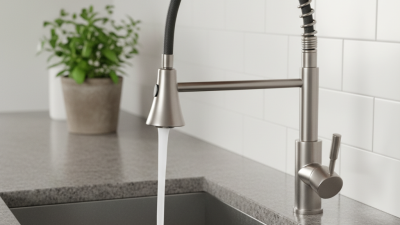
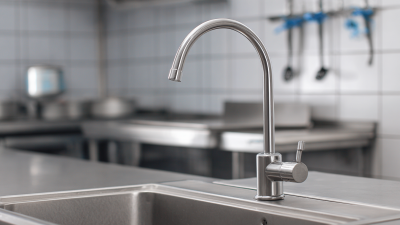
These days, making sure you have access to clean, safe drinking water is more important than ever. Experts like Michael Reynolds from AquaLife really stress how crucial this is. He mentions that a good Water Filtration Faucet can make a pretty big difference in the quality of water you’re drinking. It's kind of a reminder of just how much we’re relying on better filtration tech nowadays.
A lot of folks overlook the perks of a Faucet Mount Water Filtration System. Honestly, it's super easy to install and gives you instant access to purified water, which is pretty awesome. But, here’s the tricky part — with so many options out there, it can be a headache trying to figure out which one’s the right fit. Not all systems are created equal, so doing a bit of homework definitely pays off.
Water filtration tech keeps improving, but not every system is a slam dunk. Sometimes people complain about weird tastes or that they just don’t work as well as they should. That’s why it’s smart to check out reviews and ask experts for their recommendations. Taking the time to do your research can really pay off, ensuring you and your family get safer, healthier drinking water without the hassle.
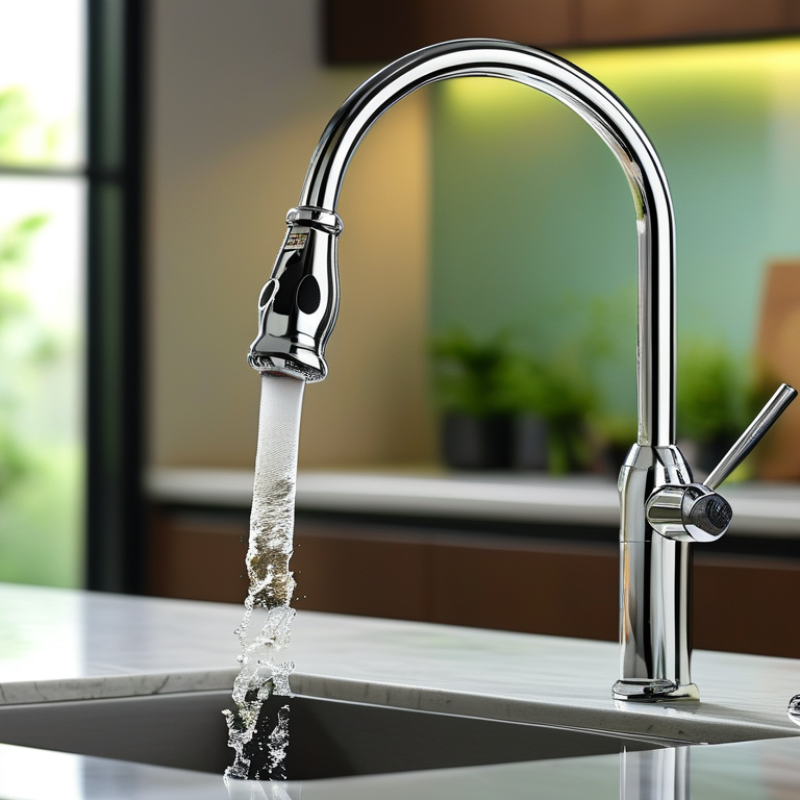
Understanding the Importance of Clean Drinking Water
Clean drinking water is essential for health. Contaminated water can harbor harmful bacteria and pollutants. According to the World Health Organization, about 2 billion people lack access to safe drinking water. This alarming statistic emphasizes the need for effective solutions. Water Filtration Faucet systems can provide an additional layer of protection against these contaminants.
Research indicates that Water Filters can reduce lead, chlorine, and sediment significantly. A study published in the journal Environmental Science & Technology found that proper filtration systems could remove up to 99% of lead in drinking water. Filters that attach directly to faucets deliver immediate access to purified water. However, the effectiveness can diminish over time without regular maintenance. Filters need timely replacement to ensure they function optimally.
Many households still rely on bottled water. This can lead to excess plastic waste and missed opportunities for safe tap water. Furthermore, not everyone is aware that municipal water systems may contain unseen contaminants. Community awareness is crucial. Conversations about water quality must include discussions on the benefits of using a Water Filtration Faucet. This encourages proactive choices for healthier lifestyles, fostering a more informed society about water safety.
Water Filtration Faucet Tips for Clean Drinking Water Solutions
| Tip | Description | Benefits | Maintenance |
| Choose the Right Filter | Select a filter that removes specific contaminants present in your water supply. | Improves taste and reduces harmful substances. | Check filter compatibility and replacement frequency. |
| Regularly Replace Filters | Change filters as per the manufacturer's recommendations to ensure effectiveness. | Maintains water quality and ensures health safety. | Set reminders for replacement dates. |
| Test Water Quality | Use water testing kits to check for pollutants and contaminants. | Identifies potential water issues that need addressing. | Test water quality every 6 months. |
| Flush the System | Run the water for a few minutes to clear stagnation before using. | Improves flow rate and water freshness. | Perform daily before first use. |
| Monitor Taste and Odor | Be aware of any changes in taste or smell, which may indicate a problem. | Early detection of issues can prevent health risks. | Investigate immediately if changes are noticed. |
Types of Water Filtration Faucets Available in the Market
When considering water filtration faucets, it’s important to explore the types available. Each type serves a specific purpose and can improve your drinking water quality significantly. One popular option is the activated carbon filter. This type effectively removes chlorine, sediment, and volatile organic compounds. It’s affordable and easy to install on most Kitchen Faucets.
Another option is reverse osmosis (RO) systems. RO faucets work by pushing water through a semi-permeable membrane, removing impurities like heavy metals and bacteria. While these systems are highly effective, they require more maintenance and a larger installation space. Ensure to evaluate if your kitchen can accommodate this setup.
Ceramic filters are also common. They can eliminate bacteria and sediments, offering a good solution for people with basic filtration needs. However, they may not remove chemical contaminants as effectively. Regular cleaning and replacement of filter elements is necessary to maintain optimal performance. Assess your water quality needs before making a choice.
Key Features to Look for in a Water Filtration Faucet
When choosing a water filtration faucet, several essential features should guide your decision. Look for models that effectively reduce common contaminants like lead and chlorine. A good filtration faucet can significantly improve the taste and quality of your drinking water. Opt for products with multiple filtration stages to ensure comprehensive purification. This often includes activated carbon and sediment filters.
Installation can be a daunting task. Ensure that you choose a design that fits your kitchen setup without complex modifications. A Faucet Mount Filtration System often offers easy installation options. Many are designed for quick DIY setups, saving time and effort. However, check compatibility with your existing faucet to avoid surprises.
Maintenance is another critical factor. Regularly changing filters will keep your water safe and fresh. Some systems offer filter-change indicators, which can be very helpful. Neglecting this aspect can lead to reduced water quality over time. Always follow the manufacturer's guidelines for filter replacement. A reliable water filtration faucet not only enhances your lifestyle but also prioritizes your family's health.
Installation Process for a Water Filtration Faucet
Installing a water filtration faucet can significantly improve your drinking water quality. Start by gathering all necessary tools: a wrench, screwdriver, and adjustable pliers. Turn off the water supply before you begin. This step is crucial. Many overlook it and face unexpected leaks later.
Next, remove your existing Kitchen Faucet. Disconnect the hot and cold water lines. Be cautious; old connections may be rusty or stuck. Once it’s out, clean the sink surface. Prep it for the installation of the new filtration unit. Carefully follow the manufacturer’s instructions for the filtration system. Each setup may vary slightly.
After attaching the filtration faucet to the sink, reconnect the hot water and cold water lines. Double-check your connections to avoid leaks. Turn the water supply back on slowly. Test the faucet. Look for any irregularities. If it drips or leaks, you might need to tighten connections. Remember, not all installations are perfect. It’s essential to remain patient and be ready to troubleshoot issues. Celebrate small wins when water flows cleanly through your Kitchen Faucet!
Maintenance Tips for Optimal Filtration Performance
Maintaining a water filtration faucet is crucial for ensuring clean drinking water. Regular checks can help identify issues early. A clogged filter can diminish water quality and flow rate. Replace filters according to the manufacturer's guidelines, but don't overlook the importance of monitoring the filter's condition. Visible sediment buildup or a change in taste or odor signals it's time for a change.
Cleaning the faucet head is another vital step. Mineral buildup can occur over time, affecting performance. Soaking the faucet in a vinegar solution can effectively remove these deposits. Additionally, inspect the O-ring and seals for wear. A tiny crack can lead to leaks, compromising filtration efficiency.
Regularly flushing the system ensures it stays in good working order. Running water for a few minutes can clear any stagnant water. This practice helps maintain freshness. Keeping an eye on water pressure is essential too. Low pressure may indicate a problem with your filtration system or plumbing. Address these issues promptly for optimal performance.
Comparing Costs and Benefits of Various Filtration Systems
When considering a water filtration faucet, evaluating its costs and benefits is essential. Various filtration systems vary widely in price and effectiveness. For instance, basic faucet-mounted filters can be affordable yet may not remove all contaminants effectively. The installation process tends to be user-friendly, making it an appealing option for many households.
Conversely, more advanced systems, such as under-sink filters, offer robust filtration. These can eliminate a wider range of pollutants, including lead and chlorine. However, they usually come with a higher price tag and require professional installation. Regular maintenance may also be a concern, as filter replacements can become costly over time.
Additionally, the choice of filtration system depends on specific needs. Some users might prioritize affordability, while others seek comprehensive purification. It’s crucial to reflect on the long-term costs. Some cheaper systems might lead to higher expenses if they require frequent filter changes or less effective filtration. Balancing initial costs and ongoing expenses can lead to better-informed decisions for clean drinking water.
Common Water Contaminants and How Filtration Helps
Water quality is crucial for health. Many homes face challenges with common contaminants. These include chlorine, lead, and microorganisms. Understanding these impurities is the first step towards cleaner drinking water.
Filtration systems play a vital role in removing these harmful substances. They effectively reduce chlorine’s taste and odor, making water more palatable. Lead contamination can be a serious concern, particularly in older plumbing. A quality filtration system can minimize these risks. People often overlook the importance of regular maintenance. Filters need timely replacements to ensure efficacy.
Installing a water filtration faucet that offers both Hot Water And Filtered Cold Water Tap is an excellent solution. It provides convenience while ensuring cleaner drinking water. Many assume that tap water is safe, but this isn’t always true. Awareness of potential contaminants can drive better choices. Reflecting on water choices can lead to healthier habits and enhanced well-being.
Enhancing Bathroom Experience: Insights from Industry Reports on CE Stainless Steel 304 Faucets and Shower Sets
The bathroom is more than just a functional space; it is a sanctuary for relaxation and personal care. Enhancing the bathroom experience hinges significantly on the quality and aesthetics of fixtures, such as faucets and Shower Sets. Industry reports highlight the growing popularity of CE Stainless Steel 304 products, noted for their durability and resistance to corrosion, making them ideal for the humid bathroom environment. By opting for high-quality stainless steel fixtures, homeowners can elevate not just the functionality of their space but also its overall visual appeal.
When choosing fixtures, color plays a vital role in creating a cohesive design. The diverse palettes available—ranging from sleek Chrome and modern Matte Black to the luxurious Brushed Gold and Brushed Rose Gold—allow for customization that caters to individual tastes. For those seeking a contemporary edge, the Brushed Gunmetal finish offers a bold alternative, while the classic Brushed Steel remains a timeless choice. Item No. IN-H6036 embodies this commitment to both form and function, ensuring that each piece not only serves its practical purpose but enhances the overall bathroom aesthetic, making every visit a delightful experience.
FAQS
: Common types include activated carbon filters, reverse osmosis systems, and ceramic filters. Each serves different needs.
They remove chlorine, sediment, and volatile organic compounds. They are affordable and easy to install on Kitchen Faucets.
It pushes water through a semi-permeable membrane, removing impurities like heavy metals and bacteria. Maintenance is key.
They can eliminate bacteria and sediments, but may not remove chemical contaminants effectively. Regular cleaning is essential.
Gather a wrench, screwdriver, and adjustable pliers. These tools help ensure a smooth installation process.
It prevents unexpected leaks. Many forget this step and face issues later. Avoiding leaks is crucial.
Double-check connections. Tighten any loose fittings. Troubleshooting is part of many installations; patience is important.
Common contaminants include chlorine, lead, and microorganisms. Understanding these helps in choosing the right filtration system.
Filters need timely replacements to operate effectively. Overlooking this can lead to reduced water quality.
Reflect on your water choices and their impacts. Awareness can lead to better habits and healthier drinking water.
Conclusion
Clean drinking water is essential for health, and understanding this need leads many to consider a Water Filtration Faucet as a viable solution. Various types of filtration faucets are available, each catering to different needs and preferences. When choosing a water filtration faucet, key features such as filtration efficiency, flow rate, and ease of installation should be taken into account.
Installing a filtration faucet typically involves straightforward steps, but proper maintenance is crucial for ensuring optimal performance over time. Additionally, knowing common water contaminants can help users appreciate how filtration systems reduce health risks. Overall, evaluating the costs versus the benefits of different filtration systems can guide consumers in selecting the best solution for safe and clean drinking water.