



Beyond Price Slashing: Deconstructing Supplier Switching Friction and Co-Creation in Global Sanitaryware Sourcing
In the global plumbing and sanitaryware industry, expanding or diversifying a supply chain is rarely a straightforward decision.
When an established sanitaryware brand or commercial engineering contractor considers introducing a new product line—such as transitioning from traditional brass to lead-free 304/316 stainless steel—procurement directors face significant operational friction.
A common misconception among emerging vendors is that offering a lower initial unit price is enough to trigger a supplier switch. In reality, mature B2B buyers operate on complex risk-mitigation frameworks where incumbent supplier relationships, inventory turnover rates, and brand reputation far outweigh marginal price differences.
To successfully navigate category expansion without disrupting existing supply chain stability, global buyers and OEM manufacturers must move past transactional price negotiations and embrace a model built on complementary value, structural adaptability, and collaborative co-creation.
The Supplier Switching Dilemma: Why Complementary Value Trumps Head-On Replacement
For established regional brands, incumbent suppliers represent years of calibrated quality control, shared tooling investments, and entrenched commercial trust. Attempting to completely displace a primary vendor creates severe supply chain vulnerability.
Smart procurement officers look for complementary partners rather than outright replacements. When expanding into specialized niches—such as 304/316 stainless steel kitchen mixers, concealed shower boxes, or PVD stainless steel niches—the goal is not to sever existing relationships. It is to fill technological and material gaps that the incumbent supplier cannot efficiently execute.
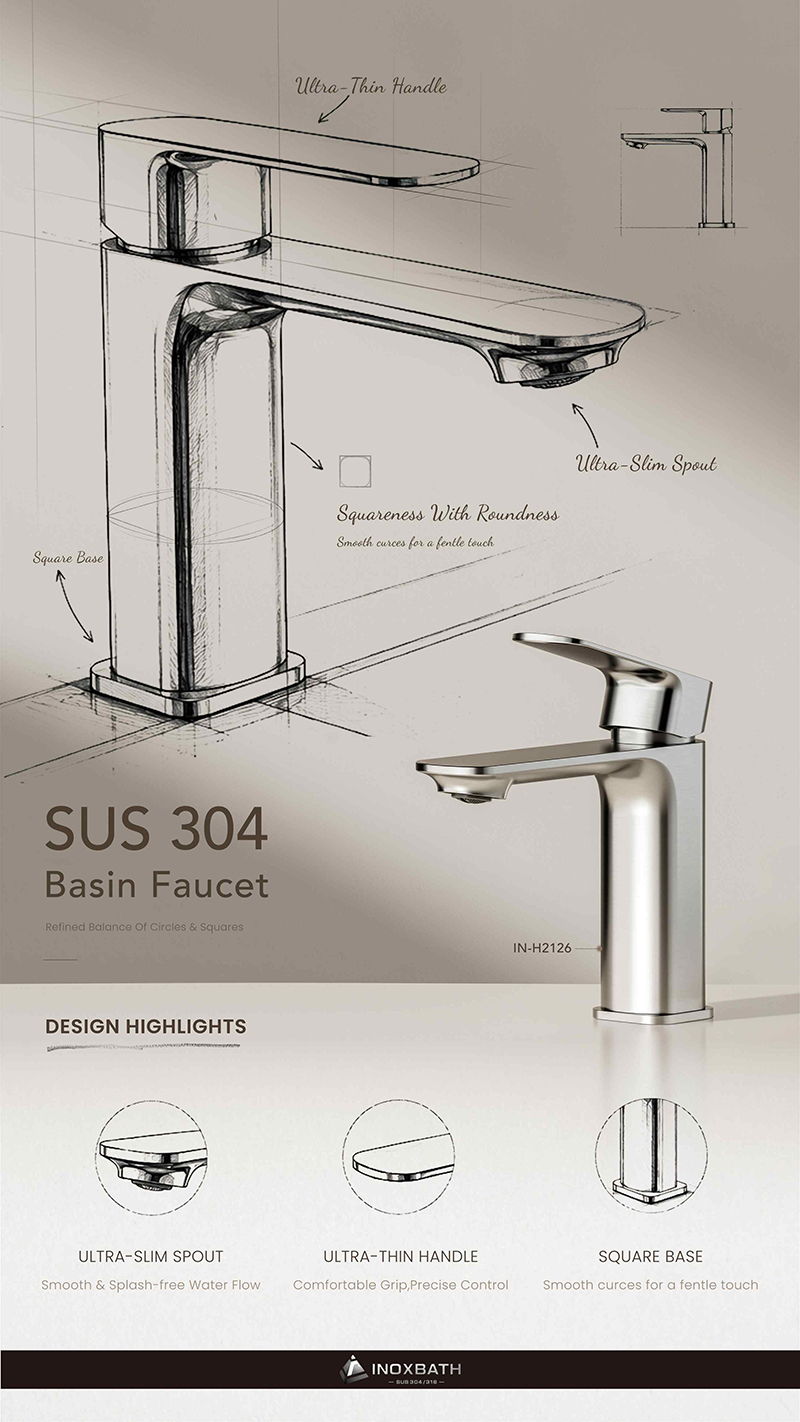
When evaluating a secondary or category-specific sourcing partner, tier-one buyers look for three non-negotiable structural capabilities. First is category-specific specialization—ensuring the partner operates dedicated investment casting and CNC machining lines specifically calibrated for stainless steel alloys, rather than treating stainless steel as an afterthought on a brass production floor. Second is flexible drawing and prototype adaptability, which allows engineering teams to adjust internal thread tolerances, refine mounting architecture, and modify technical submittals to meet local market codes without demanding prohibitive upfront tooling fees. Finally, mature buyers require risk-insulated trial execution, where suppliers support low-volume, multi-SKU initial trial orders—across varied PVD finishes or handle accents—allowing the brand to validate real-world market traction before committing container-level working capital.
Aligning Sourcing Strategies across Brand Lines and Engineering Channels
A critical error in global plumbing procurement is applying a single sourcing template to a buyer’s entire business portfolio. Experienced specifiers segment their supply chain needs based on distinct commercial channels.
The High-End Retail Brand Line
For proprietary brand catalogs, the primary currency is differentiation and customer experience. These products demand immaculate surface finishing—such as precision-achined knurling or natural stone handle inserts—coupled with comprehensive digital marketing support. Suppliers must provide complete digital asset packages, including high-resolution render files, exploded technical submittals, and maintenance guides, enabling the brand owner to launch new SKUs seamlessly across online and showroom channels.
The Commercial Engineering Channel
For hotel developments, multi-family housing, or municipal projects, the priority shifts toward hydrostatic durability, code compliance (e.g., cUPC, WaterMark, NSF/ANSI 61), and total cost of ownership (TCO). Engineering lines require high-throughput structural consistency, blowout-resistant internal waterways, and simplified mounting hardware that reduces on-site installation labor for plumbing crews. By recognizing the distinct operating physics of these two channels, source manufacturers can tailor their production runs and QA protocols to match the exact commercial realities of the project.
Sourcing Co-Creation: Accompanying the Market Test Phase
The journey from initial CAD inquiry to full container shipment is a process of joint problem-solving. When a buyer introduces a new stainless steel faucet series, the initial market response provides crucial operational data.
Rather than treating a trial order as a static transaction, a genuine manufacturing partner actively accompanies the buyer throughout this entire market validation loop. The process begins by evaluating early soft-launch performance—identifying which physical CMF finishes, spout silhouettes, or handle ergonomics gain genuine traction at trade shows or showroom debuts.
That real-world feedback immediately informs dynamic technical refinements, enabling engineering teams to adjust internal ceramic cartridge torque specs, recalibrate aerator flow restrictors, or modify sub-deck mounting shanks based on direct input from field plumbers and QA inspectors. Ultimately, this collaborative iteration extends into working capital optimization, where synchronized production lead times help distributors balance warehouse turnover against seasonal demand spikes without trapping unnecessary capital in slow-moving inventory.
Building Strategic Supply Chain Resilience with INOXBATH
In an increasingly complex global marketplace, sustainable growth is achieved through collaboration, transparency, and deep engineering alignment.
At INOXBATH (www.inoxbath.com), we do not view our clients as one-off purchase orders. We operate as an extension of your technical office—leveraging our dedicated 304/316 stainless
steel casting foundries, advanced CNC machining centers, and flexible OEM/ODM workflows to help global sanitaryware brands and engineering contractors expand their market footprint
safely and profitably.
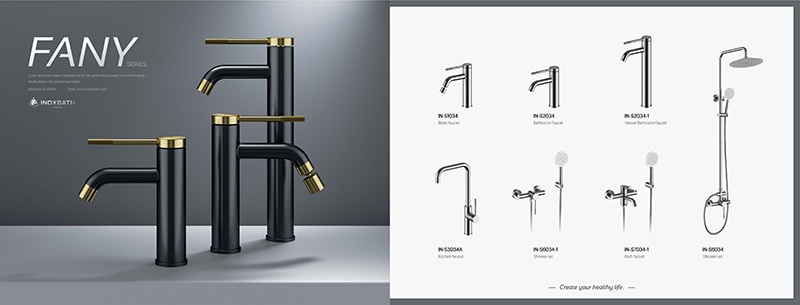
[Architectural brand owners, wholesale distributors, and engineering specifiers seeking to expand their lead-free stainless steel portfolios are invited to engage in a collaborative design dialogue. To request preliminary OEM technical submittals, explore custom CMF capabilities, or review our active global certification files, connect directly with the INOXBATH engineering desk at www.inoxbath.com/contact-us/]