



Sourcing for Commercial Kitchens: The Metallurgical Case for 316 Stainless Steel Over Brass Faucets
In the high-stakes environment of commercial gastronomy, the Kitchen Faucet is not merely a water dispenser; it is the absolute epicenter of the culinary workflow. From central prep stations in luxury hotels to high-throughput restaurant chains, plumbing hardware is subjected to relentless operational abuse. For decades, heavily electroplated brass served as the industry default. However, as global health departments tighten food safety mandates and facility managers scrutinize operational downtime, specifying brass in a commercial kitchen has evolved from a standard practice into a calculated liability.
For procurement directors, restaurant developers, and equipment wholesalers, understanding the micro-structural vulnerabilities of traditional brass against the chemical and physical resilience of marine-grade 316 stainless steel is critical. It is the defining factor that separates a temporary plumbing fix from a permanent infrastructural asset.
The Chemical Battleground: Delamination vs. Molybdenum
A commercial kitchen is a highly aggressive chemical environment. Daily sanitation protocols require the deployment of industrial-grade degreasers, quaternary ammonium compounds, and chlorine-based bleach solutions to maintain strict hygiene standards.
When a traditional brass faucet is subjected to this chemical barrage, its structural integrity relies entirely on a microscopic layer of electroplated chrome. Over time, the repeated exposure to harsh chlorides and the inevitable physical impacts from heavy commercial cookware create microscopic breaches in this plated armor. Once moisture and sanitation chemicals penetrate these fissures, the underlying brass begins to oxidize rapidly. This triggers catastrophic delamination—where the chrome plating blisters and flakes off in sharp, dangerous shards directly over food preparation zones.
Stainless steel, specifically the 316 alloy, neutralizes this threat at the molecular level. Unlike standard metals, 316 stainless steel contains a 2% to 3% addition of Molybdenum. This specific refractory metal dramatically elevates the alloy's Pitting Resistance Equivalent Number (PREN), creating an impenetrable, self-healing chromium oxide shield that actively repels chloride attacks from bleach and saline-rich food environments. Furthermore, because the surface is achieved through physical mechanical brushing rather than chemical plating, there is absolutely no coating to peel or blister. When struck by a heavy cast-iron pan, the resulting blemish simply blends into the authentic brushed grain, preserving the fixture's pristine, industrial aesthetic.
Food Safety Compliance and the Liability of Leaching
Beyond exterior durability, the internal fluid dynamics of a Kitchen Faucet carry severe legal and health implications. To make raw brass soft enough for rapid CNC machining, foundries traditionally blend trace amounts of lead into the alloy. While modern "low-lead" brass attempts to mitigate this, highly acidic culinary ingredients—such as tomato bases, citrus juices, or even boiling water—can still accelerate the leaching of trace heavy metals from the internal brass waterways directly into the culinary water supply.
In an era governed by strict NSF/ANSI 61 regulations and aggressive FDA food-contact standards, exposing a restaurant brand to heavy-metal contamination is an unacceptable supply chain risk. Grade 316 stainless steel eliminates this legal exposure entirely. As a medical and food-grade austenitic alloy, it is 100% lead-free from its core to its surface. Specifying this material guarantees absolute water purity, providing food service operators and general contractors with complete legal indemnification against health code violations related to plumbing hardware.
Eradicating Downtime: The Total Cost of Ownership (TCO)
When evaluating competitive bids, junior buyers often fixate on the lower initial unit cost of a brass fixture. However, experienced facility directors measure value through Total Cost of Ownership (TCO). In a commercial kitchen, a failed faucet means a shut-down prep station. The cost of emergency plumbing labor, coupled with the lost revenue of a halted culinary service, instantly eclipses any marginal savings gained from purchasing a cheaper brass unit.
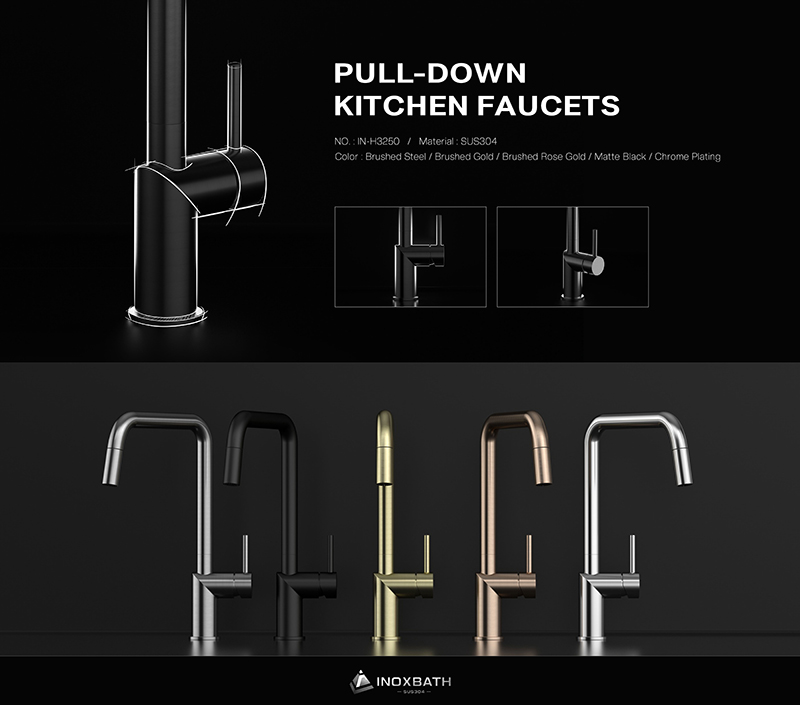
To completely insulate your high-volume culinary projects from these operational failures, upgrading to specialized metallurgy is the only definitive solution. For specifiers outfitting heavy-duty culinary spaces, exploring our dedicated [INOXBATH 316 Stainless Steel Series] provides a baseline for zero-compromise manufacturing. By utilizing investment-cast 316 bodies and high-flow ceramic kinematics, these fixtures are engineered for decades of continuous, maintenance-free operation, ensuring that your kitchen workflow never stops.
Solidifying Your Culinary Supply Chain
Transitioning your commercial plumbing specifications from plated brass to solid 316 stainless steel is a strategic investment in asset longevity and food safety. At INOXBATH, we control the entire metallurgical process—from high-purity investment casting to precision CNC machining—ensuring every fixture meets the relentless demands of the global food service industry.
[Commercial kitchen developers, hospitality specifiers, and equipment wholesalers are invited to secure their plumbing infrastructure. To request Material Test Reports (MTRs), review our lead-free compliance documentation, or discuss custom OEM configurations for your culinary projects, connect with the engineering desk at www.inoxbath.com/contact-us/