



Stainless Steel faucets vs. Copper faucets: A Comprehensive Comparison
In the realm of faucet, the choice of material significantly influences functionality, aesthetics, durability, and maintenance. Two popular materials used for faucets are stainless steel 304 (18/8) and copper. Each has its unique advantages and disadvantages, making them suitable for different preferences and needs.
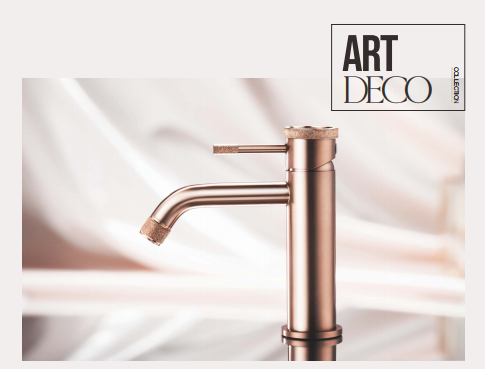
Stainless Steel faucets
Durability:
Stainless steel 304 (18/8) is renowned for its exceptional durability. It is highly resistant to rust, tarnishing, and wear, making it a long-lasting choice for both residential and commercial applications. Its robust construction ensures that the faucet remains functional for years with minimal maintenance.
Aesthetic Appeal:
With its sleek, shiny finish, stainless steel 304 (18/8) offers an elegant and modern look. It complements various home decors seamlessly, enhancing the overall aesthetic of a kitchen or bathroom.
Maintenance:
Stainless steel requires minimal upkeep. Regular cleaning ensures that it retains its lustrous appearance and functionality. Its low maintenance cost makes it a practical choice for busy households.
Health Concerns:
Stainless steel is safe in terms of chemical content, eco-friendly material, no lead. Copper, on the other hand, contains lead when not properly treated, which can pose risks if consumed, especially with children.
Copper faucets
Aesthetic Appeal:
Copper offers a natural and timeless appearance. Its warm tone adds a touch of sophistication to any bathroom or kitchen setting. However, it may require careful placement to avoid clashes with other materials in the space.
Elegance and Style:
The organic texture of copper provides a unique visual appeal compared to the smooth finish of stainless steel 304 (18/8). This makes copper faucets ideal for homes seeking a more craftsmanship-oriented and luxurious look.
Durability:
Copper is susceptible to tarnishing, especially when exposed to moisture or oils over time. Proper cleaning and maintenance are essential to prevent discoloration and corrosion. Unlike stainless steel, it does not inherently resist rust but requires protective measures against moisture damage.
Maintenance Needs:
Copper faucets may need more frequent cleaning compared to stainless steel 304 (18/8). The natural finish can tarnish with regular use, necessitating diligent upkeep to maintain their appearance.
Comparison and Recommendations
For Those Preferring Longevity and Durability:
Stainless steel 304 (18/8) is the superior choice due to its inherent resistance to rust and minimal maintenance requirements.
For Aesthetic Preferences:
Copper offers a more visually appealing option with its natural, organic texture. However, it requires attention to maintenance to preserve its appearance.
Price Considerations:
Stainless steel 304 (18/8) tends to be pricier upfront but offers better value over the long term due to its durability and lower maintenance costs. Copper, while affordable initially, may become more expensive when professional cleaning is required.
Environmental Impact:
Stainless steel has a lower carbon footprint compared to copper production, making it a greener choice for environmentally conscious consumers.

In conclusion, the decision between stainless steel 304 (18/8) and copper faucets hinges on individual preferences, lifestyle, and priorities. Stainless steel offers unparalleled durability and long-term savings, while copper provides a visually striking alternative that demands meticulous care for optimal performance.